Song Meaning
This track confronts a head full of 'sarisaring problema' – a cascade of issues that have tried every approach but failed to budge. The immediate emotional texture is one of exasperation, a feeling of being overwhelmed by persistent troubles. The core message, however, pivots sharply towards a defiant embrace of laughter as a coping mechanism. It’s a direct, almost forceful, suggestion to find amusement in the very things causing distress.
The central tension lies in the contrast between the crushing weight of these 'problema' and the prescribed antidote: laughter. The lyrics repeatedly urge the listener not to take things too seriously, to distract themselves, and to actively laugh at their problems. This isn't a gentle suggestion; it's a command, a plea to reframe overwhelming situations through humor, implying that overthinking will only lead to being 'maloko' – deceived or fooled.
The most striking craft element is the pervasive inclusion of '[Laughter]' as a refrain, punctuated by the direct, imperative chorus: 'Tumawa ka' (Laugh). This repetition, coupled with the explicit instruction to laugh *at* the problems, creates a powerful, almost absurd, juxtaposition. The laughter isn't just an expression of joy; it's presented as a strategic weapon against adversity, a way to disarm the very things that 'tumotorta' (crush) the mind. The lyrics suggest that this active engagement with humor is the key to not being consumed by difficulties.
Ultimately, the effectiveness of these lyrics stems from their blunt, no-nonsense approach to a universal human struggle. By directly addressing the overwhelming nature of problems and offering a simple, yet challenging, solution – laughter – the song provides a potent, if unconventional, form of catharsis. It empowers the listener by suggesting that even in the face of insurmountable issues, the act of laughing can be a radical act of reclaiming control and control.
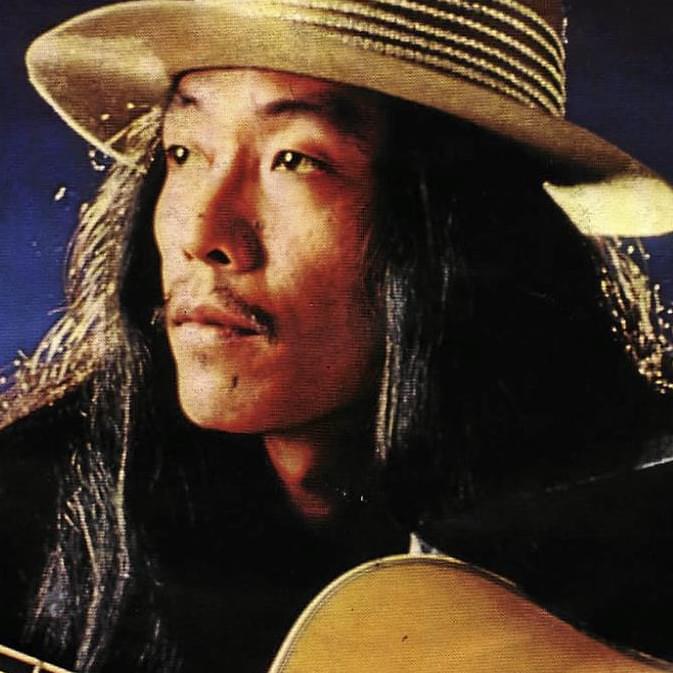
 View Artist