Song Meaning
The lyrics paint a stark picture of life's inherent difficulties, questioning if this struggle is simply its nature. There's a pervasive sense of sadness, with joy feeling like a rare visitor. The narrator observes that hardship isn't exclusive to poverty; even the wealthy seem to lack complete happiness, and for those in debt, the burden is even heavier.
This leads to a central tension: the acknowledgment of life's persistent challenges versus the impulse to escape them. The lyrics suggest a resignation, proposing that the best course of action is to distract oneself and forget the troubles. It's a call to stop questioning the status quo because, as the repeated refrain "Sadyang ganyan" (It's just like that) implies, this is how life is.
The most striking aspect is the cyclical nature of the lament, emphasized by the repetition of "O, buhay" and the concluding "Sadyang ganyan." This structure reinforces the feeling of being trapped in a loop of hardship and the acceptance of it as an unchangeable reality. The simple, direct language mirrors the raw, unvarnished experience being described.
Ultimately, the effectiveness of these lyrics lies in their blunt honesty. They don't offer solutions or false hope, but rather articulate a shared feeling of weariness with life's struggles. The narrator's resignation, while perhaps bleak, resonates because it validates the experience of facing constant difficulties and the desire for temporary relief.
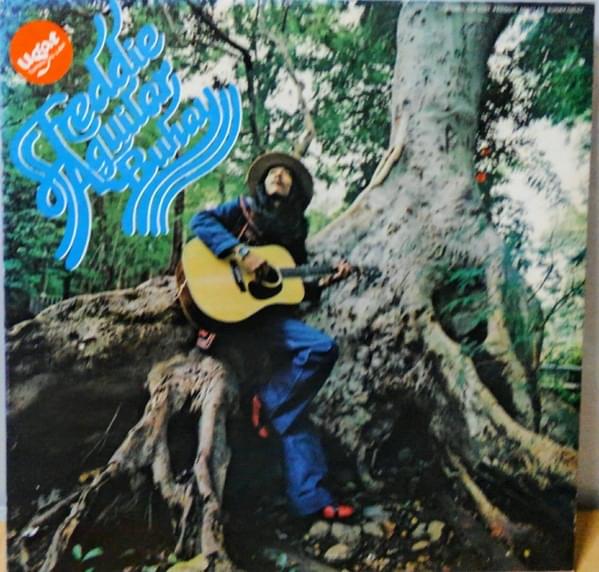
 View Artist