Song Meaning
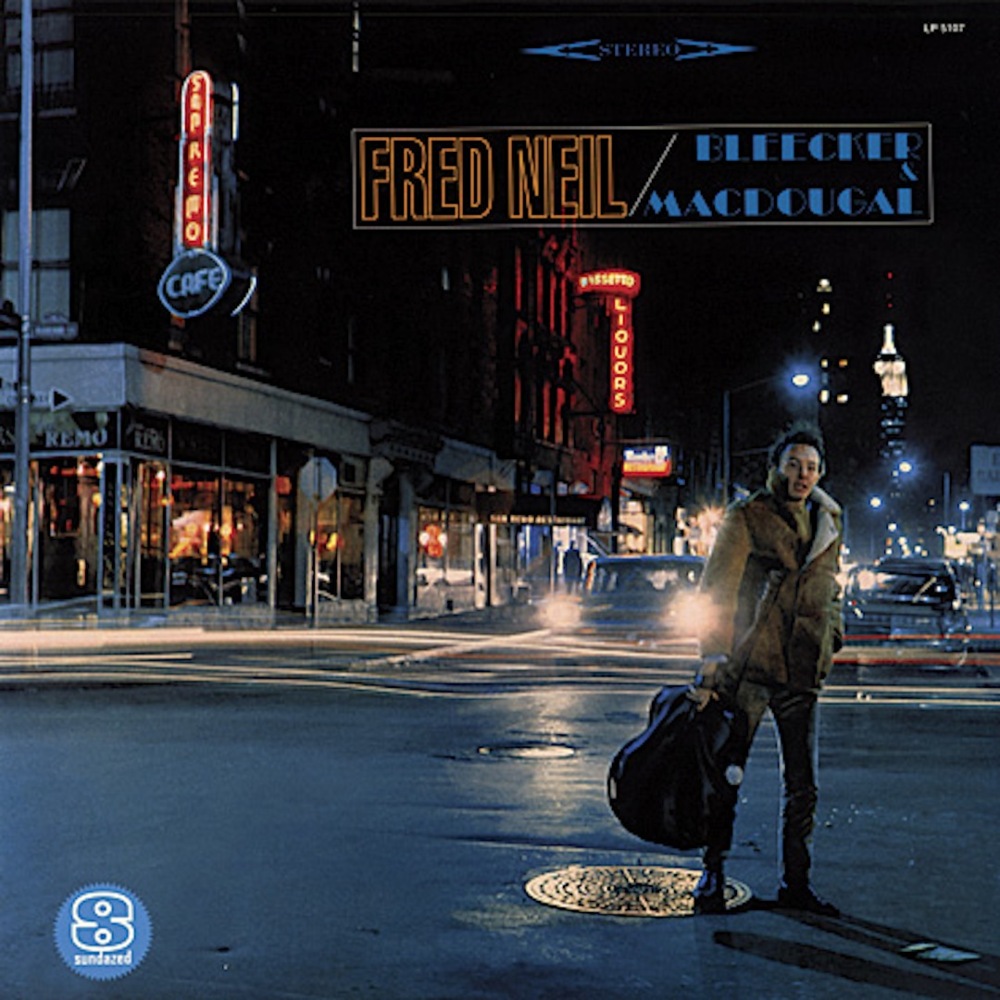
{"song_id": 10625190, "meaning": "Fred Neil's \"Mississippi Train\" is a raw, blues-soaked lament, a primal scream echoing down the railroad tracks of heartbreak. It's not just a song; it's a visceral snapshot of abandonment, a man's desperate plea reverberating against the indifferent landscape. The \"Mississippi train\" itself becomes a symbol, not just of departure, but of the relentless, unstoppable force that carries away the object of his affection. This isn't a subtle exploration of loss; it's the gut-wrenching realization that someone you desperately need is irrevocably gone. The repetition of phrases, like \"Take my baby now she's gone\" and the increasingly frantic cries of \"Babe come back,\" amplify the speaker's spiraling despair.
The destination – \"the bayou where the river flows\" – adds another layer of psychological complexity. The bayou, often associated with mystery, danger, and a certain untamed wildness, suggests the woman is seeking solace or perhaps a new identity in a place far removed from the speaker's reach. It's a symbolic journey into the unknown, a rejection of the familiar life they once shared. The river's flow mirrors the inexorable passage of time and the feeling that he's being swept away by events beyond his control. The song is less about the literal act of leaving and more about the emotional chasm that opens when a relationship ends abruptly.
Even the act of \"writing her letter\" feels futile, a last-ditch effort to reclaim what's already lost. The \"special mail\" he mentions hints at a desperate hope that his words will somehow cut through the distance and bring her back. But the repetition of \"Saying babe come home\" devolves into a mantra, a desperate incantation against the inevitable. The song meaning is simple: raw, unadulterated grief. \"Mississippi Train\" isn't just a blues song; it's a sonic representation of the internal collapse that follows profound loss, a reminder that some wounds leave scars that never fully heal."}
 View Artist