Song Meaning
Fred Neil's "Merry Go Round" isn't just a simple children's ride; it's a disorienting, emotionally raw exploration of race, loss, and the cyclical nature of societal injustice. The repeated query, "Where's the Jim Crow section / On this merry go round / For a boy who's black," immediately thrusts the listener into the heart of racial segregation, framing it not as a static historical fact, but as a persistent, sickening repetition. The merry-go-round becomes a metaphor for a society that purports to offer progress and joy, yet continually reinforces systemic barriers for Black individuals. The speaker's inability to "find the back" suggests the insidious, often hidden nature of prejudice. It's always there, churning beneath the surface, even if not explicitly labeled. The song meaning here isn't about overt protest; it's about the wearying, unending search for equality in a world that seems determined to keep spinning in circles.
The fragmented narrative surrounding the speaker's father adds another layer of somber complexity. The image of a "good engineer" killed near his town, his body found without a head, evokes a sense of violent, unresolved trauma. It suggests the potential dangers faced by Black laborers, whose contributions are often overlooked or actively suppressed. The "pines / Where the sun never shines" create a haunting, isolated space, perhaps representing the emotional darkness and lack of visibility experienced by marginalized communities. This imagery contrasts sharply with the supposed lightheartedness of the merry-go-round, highlighting the dissonance between societal facade and lived reality.
The recurring line, "Blackbird blackbird / Don't you love me / Tell me where did you spin last night," is perhaps the most enigmatic. Is the blackbird a symbol of freedom, a fleeting moment of escape from the oppressive merry-go-round? Or is it a representation of internalized racism, a voice that questions the speaker's own worth and belonging? The ambiguity is crucial. "Merry Go Round" doesn't offer easy answers or resolutions. Instead, it forces us to confront the uncomfortable truths about America's past and present, leaving us to grapple with the cyclical patterns of injustice and the enduring search for a place to belong.
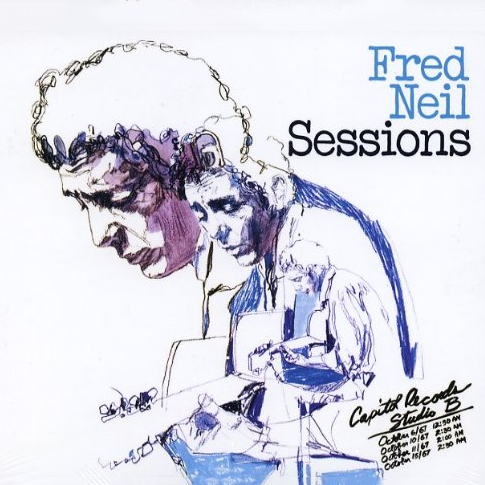
 View Artist