Song Meaning
The lyrics of "La paix dans le monde" present a relentless catalog of life's irritations and unavoidable realities. From persistent heartaches to buzzing insects, the central refrain "Faut vivre avec" (You have to live with it) establishes a tone of weary, yet pragmatic, acceptance. It's a blunt acknowledgment of the world's messy nature.
The core tension lies in the sheer diversity of what the narrator lumps together. We see deeply personal pains ("plaies qui arrêtent pas d'saigner") alongside societal nuisances ("têtes enflées") and even mundane food items ("patates pilées"). This sprawling inventory suggests that life's challenges aren't just grand struggles, but a constant barrage of small, medium, and sometimes absurd annoyances that demand resilience.
The most striking craft element is the jarring juxtaposition of seemingly unrelated items. Historical figures like "Jésus, les Hitler" appear next to common surnames "Tremblay, les Simard" and the morbid "croque-morts." This technique creates a sense of chaotic reality, where the profound and the trivial, the good and the bad, the ordinary and the extreme, all coexist and must be processed under the same umbrella of acceptance. The inclusion of "les heureux malgré tout" among the "schizos, les crackpots" is particularly potent, suggesting even resilient joy is just another facet of existence to be acknowledged.
These lyrics are effective because they tap into a universal feeling of being overwhelmed by life's demands, yet finding a way to carry on. The blunt, almost deadpan delivery of "Faut vivre avec" transforms from a sigh of resignation into a quiet declaration of endurance. By listing everything from personal wounds to global figures, and then circling back to "les heureux malgré tout," the lyrics ultimately paint a picture of life not as something to be conquered, but as a complex, often contradictory, experience to be fully embraced, warts and all.
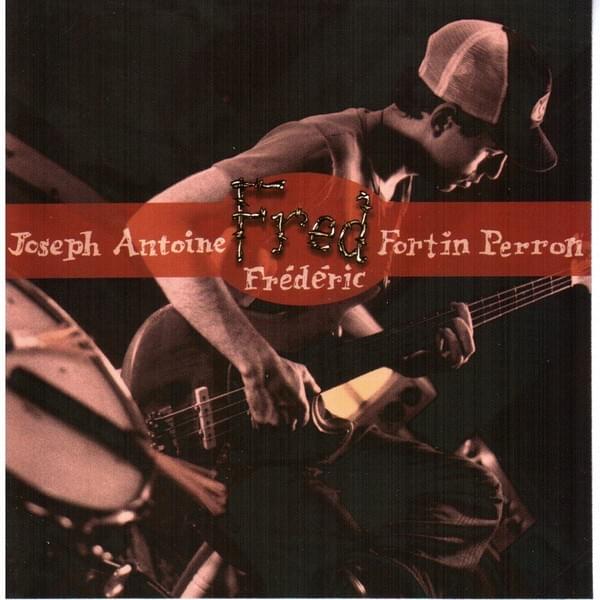
 View Artist