Song Meaning
The narrator opens by embracing a nocturnal, solitary existence, likening themselves to a "stray cat" and preferring the "shadows." This sets a tone of deliberate withdrawal from the world, a desire to be unseen and perhaps untouched. The shift to "dog" and "wolf" in the night suggests a transformation, a shedding of vulnerability for a more primal, self-protective state as darkness falls. It's a deliberate choice to inhabit a different, more dangerous-feeling persona when the sun goes down.
The scene then plunges into a grimy, unsettling urban environment. The "unhealthy air," "dirty alley," and "bad smell" create a visceral sense of decay and despair. The presence of "dead bodies, waste, misfortune" and a "drunk man crying" paints a bleak picture, yet the narrator notes "they'll say it was nothing abnormal." This highlights a desensitization or a grim acceptance of suffering as commonplace, a backdrop against which personal struggles unfold.
The core of the narrator's experience is an overwhelming encounter with "misfortune." It "pounced" on them, described as "stronger than me," leading to a physical defeat: "I fell under the weight of its blows." This isn't just bad luck; it's an active, aggressive force that incapacitates them. The brief, almost desperate plea, "Give me a cigarette and I'll be king," feels like a momentary, ironic grasp for control or solace amidst the overwhelming chaos.
Emerging into the "early morning light," the narrator is disoriented, having lost their way and their sense of self. The "trees in front of me were blurry" perfectly captures this lingering confusion and the fading impact of the night's ordeal. The brief sleep, "a few seconds," suggests the encounter was so intense it felt like an instant, yet the disorientation is profound, leaving them adrift in the new day.
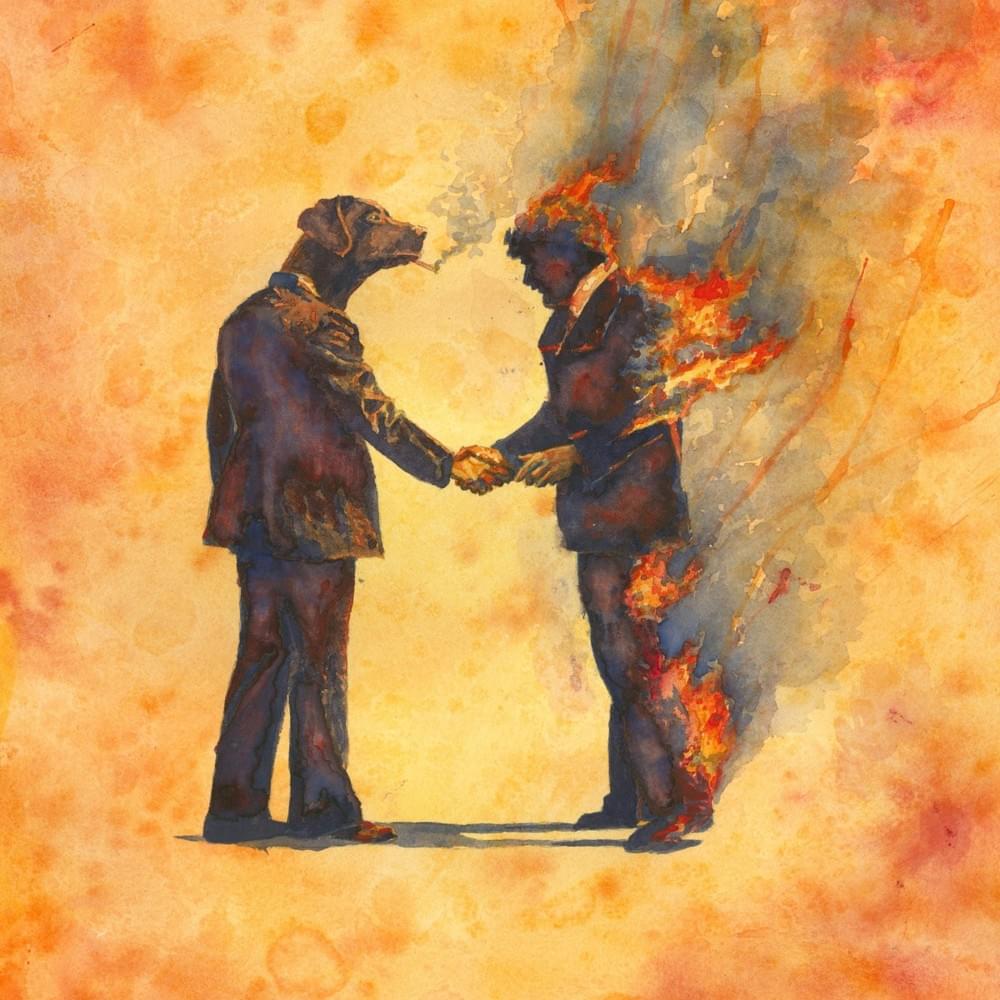
 View Artist