Song Meaning
The lyrics paint a picture of a guy adrift in a "one horse town," haunted by the absence of a "city girl" who left him. He wanders "empty streets" under a "noonday heat," kicking "old tin cans" and reflecting on lost "good times." The dominant tone is one of listless melancholy, a stark contrast to the implied energy of his former "rodeo boy" identity. He's stuck, physically and emotionally, in a place that feels too small for his current heartache.
The central tension lies in the narrator's arrested development following a relationship's end. He was a "rodeo boy," suggesting a life of action and perhaps a certain swagger, but now his "saddle hangs behind the door" and his "boots are scattered on the floor." He's traded his identity for "shoes," a mundane replacement that underscores his current state of inertia. The "city girl" is the catalyst, having "took him right out of his world" and left him "standing on the curb" with "the blues."
The most striking aspect is the juxtaposition of his past self with his present reality. The refrain "A rodeo boy / In one horse town" becomes an ironic label, highlighting the disconnect between who he was and where he is now, stuck in a place that can no longer contain his aspirations or his pain. The lyrics suggest he's not just mourning the girl, but the loss of a life that she represented or that he imagined with her, leaving him feeling out of place and purposeless.
This song hits hard because it captures that specific, gut-wrenching feeling of being left behind, not just by a person, but by a version of oneself. The mundane details – "dusty hair," "tired feet," "old tin cans" – ground the abstract pain in a tangible, almost suffocating reality. The narrator's lingering hope that "her mind will change" makes his "fool"ishness relatable, a testament to how love can leave us clinging to the past even when the present offers no solace.
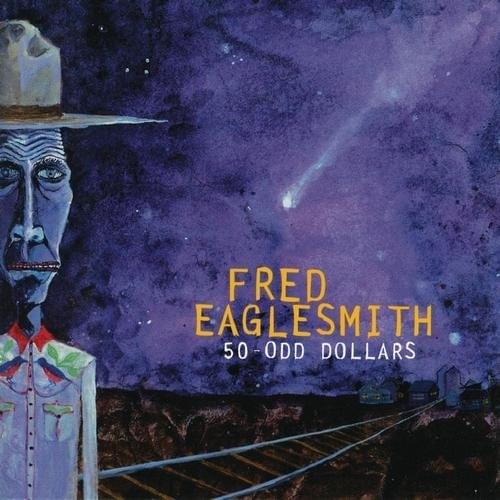
 View Artist