Song Meaning
The narrator crafts a stark, almost brutal portrait of betrayal. The opening lines establish a world where natural forces and even predatory animals possess a form of expression or inherent truth that the speaker feels has been denied to them. Trains simply depart, bullets inflict damage, and a broken heart is rendered valueless, all contrasting with the profound, unreciprocated harm inflicted upon the speaker. This sets up a core grievance: the speaker insists they would never have inflicted such pain on the person who wronged them.
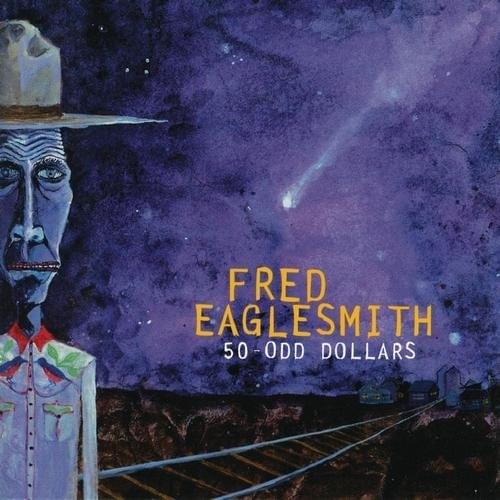
The central tension arises from this perceived imbalance of cruelty. The repeated phrase, "I would have never done to you what you done to me," acts as a desperate refrain, highlighting the speaker's sense of moral superiority and profound hurt. The mention of "fifty odd dollars and some dry alcohol" grounds the scene in a specific, bleak moment, suggesting a cheap, unsatisfying attempt at solace or perhaps the meager cost of the betrayal itself. The imagery of standing "on the stairway, against the wall" evokes a feeling of being trapped and exposed.
The most striking element is the pervasive motif of "lies." They are presented as tangible, present in the "table," the "eyes," the "face," and even the "smile," suggesting a complete and utter deception woven into the fabric of the other person's being. This contrasts sharply with the earlier assertion that even a "bird of prey lets out some kind of scream," implying that the betrayer offers no such honest expression of their true nature, only a facade. The lyrics suggest the betrayer's actions are not just wrong, but fundamentally dishonest, a violation of a natural order that even animals adhere to.
Ultimately, the lyrics resonate because they articulate a deep-seated feeling of injustice and moral outrage. The speaker's insistence on their own inability to inflict similar pain, coupled with the relentless depiction of the other person's deceit, creates a powerful sense of wounded innocence. The raw, declarative statements and the stark imagery combine to make the pain feel immediate and undeniable, leaving the listener with the weight of the speaker's unreciprocated suffering.
 View Artist