Song Meaning
These lyrics introduce a tender, slightly wistful romance unfolding in Italy. The speaker is captivated by a newcomer, who, it seems, doesn't fully grasp the depth of their affection. There's an immediate sense of cultural exchange and a budding connection.
The central tension revolves around a language barrier, highlighted by the repeated phrase "Tu non capire" (You don't understand). The speaker laments that their "parole d'amore"—their words of love—and even a direct "Ti amo" are not fully comprehended. This suggests a frustration not just with vocabulary, but with the inability to convey the full emotional weight of their feelings across linguistic divides.
However, the lyrics introduce a fascinating twist. The speaker initially asserts the superior intensity of their own language, claiming their "Ti amo" "vale tre volte" the other's "I love you." Yet, this linguistic pride gives way to a powerful surrender. The lines "Ma se mi baci / Ma se mi stringi" introduce a physical intimacy that completely overrides the need for verbal understanding, leading to the speaker's admission: "Io non capire niente più" (I don't understand anything anymore).
This reversal makes the lyrics incredibly effective, suggesting that while words may create initial barriers, the raw, physical language of affection transcends them. The initial desire to teach the beloved about "La luna e il mare" of Italy ultimately culminates in a moment where the speaker themselves is swept away, losing all intellectual comprehension in the face of pure, undeniable connection. It's a beautiful testament to love's ability to communicate beyond words.
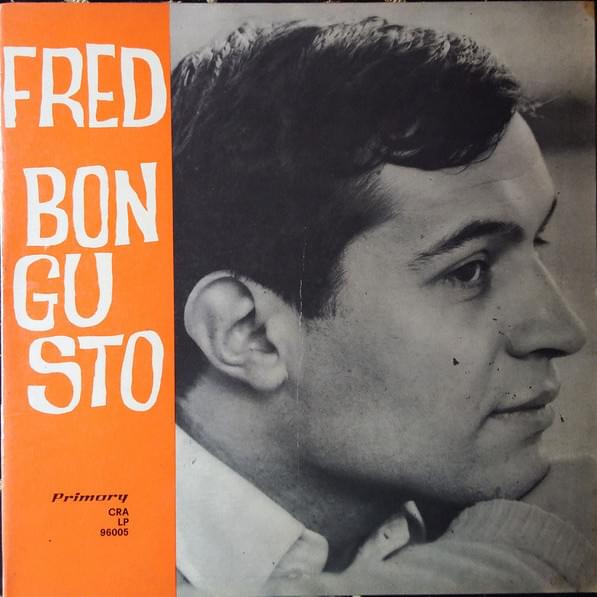
 View Artist