Song Meaning
The lyrics open with a stark declaration, "Niente rose, Tinaftò," immediately setting a tone of absence or disillusionment. The speaker laments a past of excessive empathy, identifying with those who "sa piangere per gli altri come me." This initial self-assessment is sharp, labeling such a disposition as "stupida."
A core tension emerges from the speaker's self-perception as having "Troppo cuore, Tinaftò" and "Troppo amore." This abundance of emotion, while seemingly positive, is presented as a burden, leading to a profound decision. The narrator declares a radical shift: "da stasera cambierò," vowing to cease crying, even for themselves.
The most striking craft element is the direct opposition between past and future emotional states. The act of "piangerò" (crying) is explicitly replaced by "canterò" (singing), signaling a complete emotional overhaul. This transformation is not just internal; it's a defiant public declaration, reinforced by the repeated mantra, "Cambio tutto, Tinaftò."
The lyrics are effective because they capture a universal desire for emotional liberation. The shift from self-pity and outward-focused empathy to a resolute "Metto il cuore in libertà" resonates deeply. By embracing the world "come va," the speaker articulates a powerful move towards acceptance and self-preservation, making the final repeated stanza feel like a hard-won, empowering anthem.
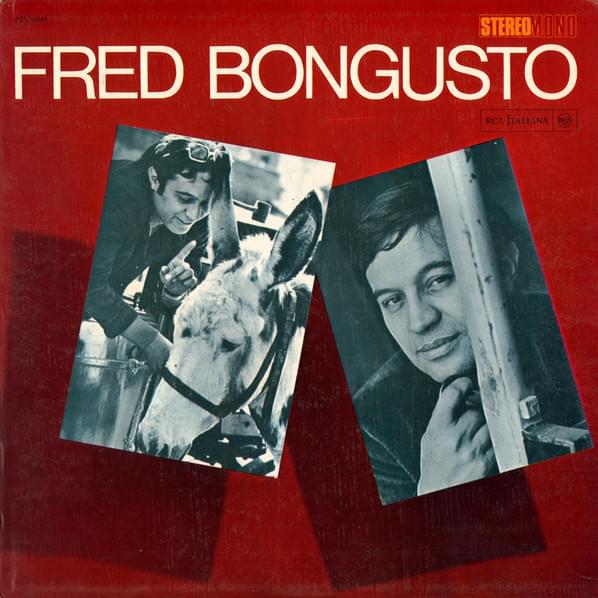
 View Artist