Song Meaning
The lyrics open with a stark confession: the speaker admits to making many mistakes, but losing this person "senza combattere" (without fighting) was "la più grande" (the biggest one). This immediate regret sets a tone of profound self-reproach and a lingering sense of missed opportunity.
A deep internal conflict emerges as the speaker grapples with the aftermath. He's trapped between "ricordi e nostalgie" (memories and nostalgia), even claiming to "brucio la mia libertà" (burn my freedom) in this emotional prison. The poignant image of talking to "tue fotografie" (your photographs) underscores a profound loneliness, yet a surprising twist reveals he "non ti ho perdonato" (haven't forgiven you), despite his own plea, "Chi mi perdonerà?" (Who will forgive me?).
The recurring refrain of "Impossibile" anchors the speaker's despair, emphasizing his inability to find "entusiasmo e l'allegria" (enthusiasm and joy) without her. This sense of being utterly stuck is powerfully amplified by the self-description as a "vecchio leone, catturato da un addio" (old lion, captured by a goodbye). It's a striking metaphor, contrasting past strength and pride with his current vulnerability, reduced to "cerco le tue tenerezze" (looking for your tenderness).
The lyrics effectively convey the crushing weight of regret and unfulfilled longing through this blend of self-blame and a stubborn, almost contradictory, pride. The speaker's internal battle – wanting to call but held back by the thought of "se c'è lui" (if he's there) and his own admission of never having "chiesto mai perdono" (asked for forgiveness) – paints a complex picture of a man undone by a loss he feels responsible for, yet struggles to fully accept. The raw honesty of his predicament resonates, making the "Impossibile" feel truly inescapable.
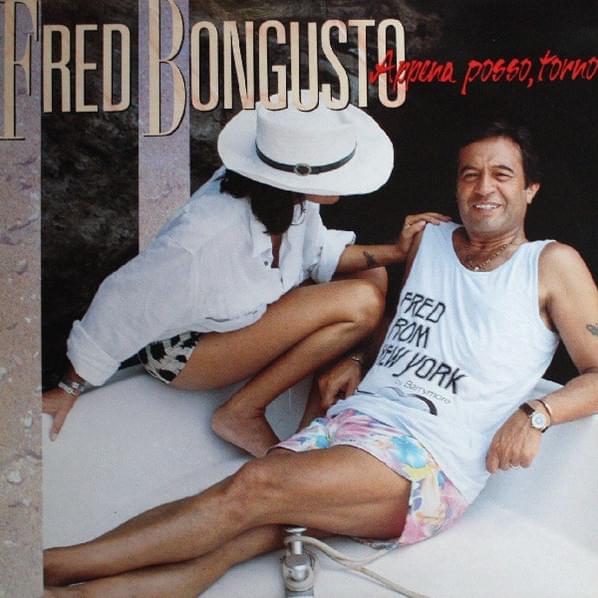
 View Artist