Song Meaning
The speaker makes a deliberate choice: they won't be at the station for a final goodbye. Instead, they opt for "Air mail," a letter intended to reach the departing person later. This isn't a clean break, but a calculated, delayed emotional delivery. The train leaves, but the message lingers.
This refusal of a physical farewell creates a potent tension. The speaker imagines the recipient reading "Tutto il male che mi fai" upon arrival, then falling asleep with the speaker's dog. It's a striking contrast: the public, impersonal departure against a private, intimate image, underscoring the deep, personal hurt that can't be contained by a simple goodbye.
The recurring "Air mail" isn't just a communication method; it's a plea for continued connection. The speaker envisions the recipient dreaming of them and then instructs them to "Scrivi air mail," creating a poignant loop of longing. This is reinforced by the "seagull" metaphor, suggesting the departing person's inherent freedom, which the speaker acknowledges even as they hope for their return.
These lyrics hit hard because they capture the raw, contradictory impulses of a difficult separation. There's defiance in refusing the station goodbye, yet profound vulnerability in detailing the pain and holding onto a dream of a reciprocal "Ti amo." The "air mail" becomes a vessel for both resentment and enduring hope, a testament to a connection that refuses to be severed cleanly.
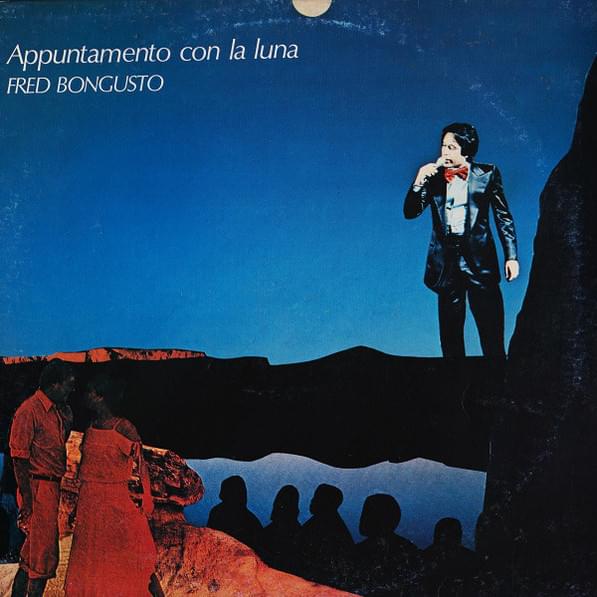
 View Artist