Song Meaning
The lyrics paint a picture of hesitant arrival and a search for belonging, tinged with a weary resignation. The narrator acknowledges a slow, deliberate approach to a destination, emphasizing patience and the pursuit of their own "share." There's a sense of shared experience, a "perfect pair," but this unity is immediately undercut by the realization that "the same thing's not there," suggesting a fundamental disconnect even in proximity. This sets a tone of subtle disillusionment from the outset.
The core tension emerges with the intrusion of external voices and a direct, almost demanding question: "Can I ride?" This plea, coupled with the narrator's internal struggle to process their own existence ("not to be so surprised that I'm alive"), highlights a conflict between passive observation and the burden of decision-making. The narrator seems to deflect responsibility, asking the other person to "decide," indicating a reluctance to lead or even fully engage with the requests of others.
A striking element is the contrast between the external world's clamor and the narrator's internal quietude. While "people explain what they want" and seem invested in the narrator's choices, the narrator perceives a lack of genuine influence or contribution, stating "no input we'll bring." This passive stance, where others' desires are noted but not necessarily reciprocated, creates a feeling of detachment. The repeated phrase "somewhere or nowhere" further amplifies this sense of aimlessness, blurring the lines between progress and stagnation.
Ultimately, the effectiveness lies in this delicate balance between a desire for connection and a deep-seated passivity. The narrator is present, observing and enduring, but not actively shaping their circumstances or the demands placed upon them. The lyrics capture a quiet struggle with agency, where the simple act of "riding" becomes a complex negotiation of shared space and individual will, leaving the listener with a lingering sense of unresolved movement.
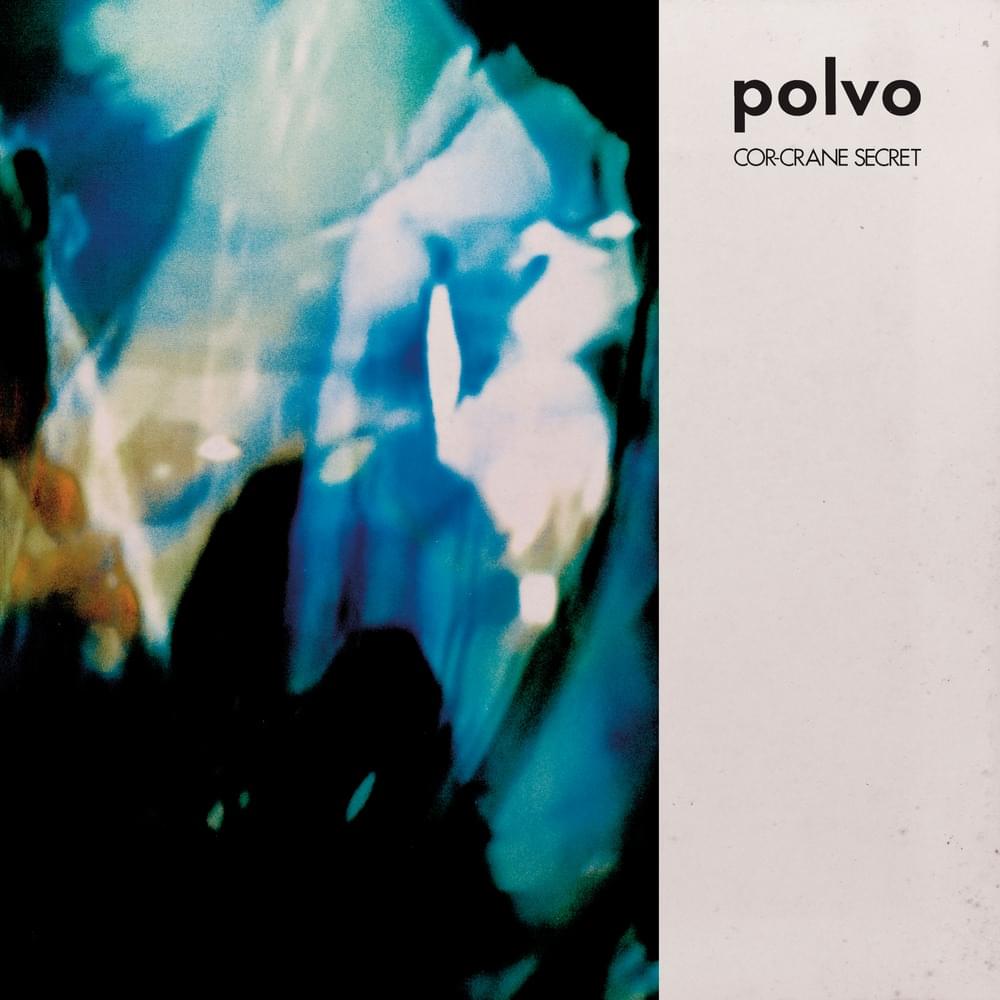
 View Artist