Song Meaning
The lyrics paint a stark picture of potential danger held in check, contrasting passive objects with active, destructive intent. The narrator begins by establishing a clear distinction: whiskey isn't inherently bad until it's consumed, and they themselves are harmless when alone. This sets up a parallel with the shotgun, which poses no threat when merely displayed. However, this calm is immediately shattered by the admission of "itchy fingers" and a chilling demand for submission, revealing a volatile undercurrent beneath the surface of control.
The central tension lies in the narrator's internal struggle, vividly captured by the recurring image of a "picture in my mind." This mental landscape is one of desperate struggle, a "mad fish on the wrong end of the line," suggesting a feeling of being trapped and fighting against an inevitable, losing battle. The "silver lightning flashes" beneath the surface hint at sudden, powerful impulses or moments of clarity that are both beautiful and terrifying, indicating a mind on the brink of something destructive.
The craft here hinges on potent, repeated juxtapositions. The initial calm of the inanimate objects – whiskey on the shelf, a shotgun on the wall – is deliberately contrasted with the narrator's own volatile state and the violent imagery of the fish. The line "You can cry yourself a river, but it don't take much to drown" is particularly effective, twisting a common idiom into a grim warning about the ease with which one can be overwhelmed, even by their own sorrow or the perceived helplessness of others.
What makes these lyrics hit so hard is the raw, unvarnished depiction of internal conflict and the threat it poses. The narrator isn't just describing a bad mood; they're articulating a dangerous precipice, where passive objects become metaphors for active, destructive urges. The final declaration, "Don't talk to me, darlin, can't you see I'm gone right now?" seals the emotional impact, leaving the listener with a sense of dread and the unsettling understanding that the danger is not external, but deeply, terrifyingly internal.
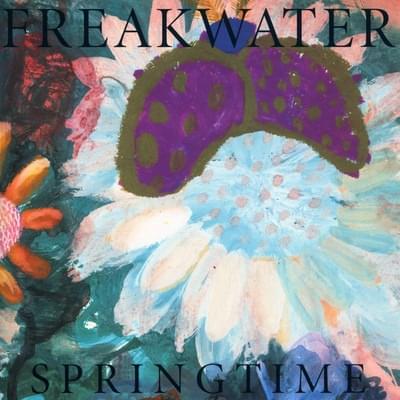
 View Artist