Song Meaning
A figure stands on a foreign shore, consumed by longing. The lyrics paint a stark picture of isolation, far from a beloved homeland. A deep sense of despair permeates every line, as the speaker yearns for what's lost.
The central tension lies in the speaker's profound sense of abandonment and hopelessness. She questions if any familiar beauty or spirit from home ("Keine Blume, weht kein Hauch") can reach her on this distant "Tauris Strande." This physical separation from a place of joy translates into an existential crisis, declaring, "Ach, mein Leben ist ein Rauch!" – a fleeting, insubstantial existence.
A particularly striking image emerges as the speaker describes herself "An die Wildnis angekettet" – "chained to the wilderness." This phrase is potent, suggesting a paradoxical freedom that is actually a form of imprisonment, a rescue that led to a new kind of captivity. Further amplifying this isolation, the "hohen Wellen" of the sea "übertäubt mein leises Fleh'n," literally drowning out her quiet prayers with their crashing power, underscoring her utter insignificance against nature's might.
The lyrics effectively convey a desperate, almost primal plea for intervention. Having been "gerettet" once by a goddess, the speaker now implores for a "zweitenmal" – a second rescue. This isn't just a wish for escape; it's a yearning to reappear among her own people, in a place of significance. The power lies in this specific, urgent desire to reclaim identity and belonging, transforming a lament into a direct, heartfelt appeal for restoration.
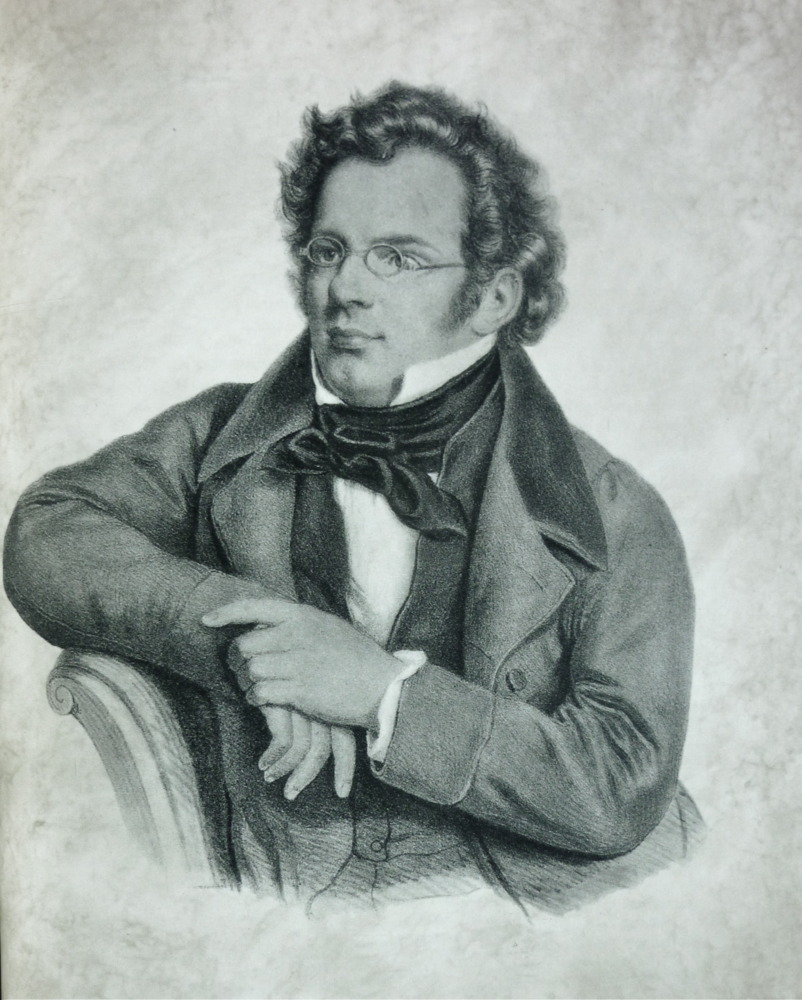
 View Artist