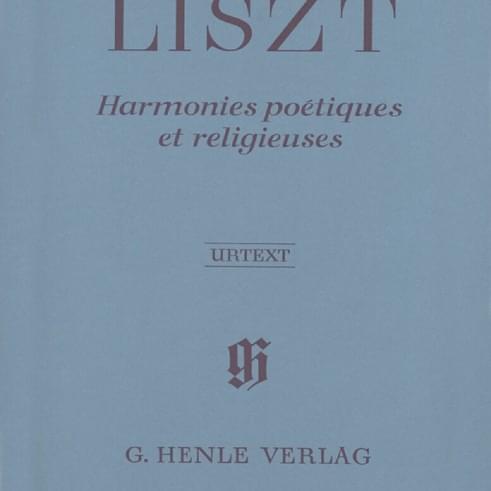
Miserere, d’après Palestrina
Song Meaning
The title itself, "Miserere, d’après Palestrina," immediately sets a stage of profound spiritual contemplation, invoking the traditional plea for mercy. The phrase "d’après Palestrina" suggests a reinterpretation or homage to the Renaissance master, implying a modern voice engaging with ancient sacred forms. This instrumental piece, therefore, seems to be a sonic meditation, a space for listeners to project their own feelings of penitence, hope, or awe onto its carefully constructed architecture. It’s a canvas for the soul, painted with the echoes of centuries of devotion. The absence of lyrics forces a direct confrontation with the music's emotional core. Without words to guide or dictate meaning, the listener is left to interpret the rise and fall of melodies, the interplay of harmonies, and the overall textural landscape. This can create a deeply personal experience, where the music becomes a mirror reflecting the listener's inner state. The piece invites a sense of solemnity, perhaps even a touch of melancholy, but within a framework that feels ordered and ultimately comforting. The genius here lies in its reliance on pure sound to evoke complex emotional and spiritual states. The structure, likely echoing the polyphonic traditions of Palestrina, offers a sense of intricate beauty and divine order. This careful arrangement of sonic elements – the way voices might weave together, the resolution of dissonances into consonance – speaks to a profound understanding of how sound can affect the human psyche. It’s a testament to the power of music to communicate without the need for explicit narrative, tapping into a primal, wordless form of expression. Ultimately, the effectiveness of "Miserere, d’après Palestrina" stems from its ability to create a sacred space through sound alone. It bypasses intellectualization, speaking directly to the listener's emotional and spiritual centers. The piece offers a moment of respite, a chance to connect with something larger than oneself, all through the eloquent language of music. It’s a powerful reminder that profound meaning can be found in the most abstract of forms, especially when they are crafted with such evident care and historical resonance.
 View Artist
Lyrics
[Instrumental]
Rate this song
0/5.0 - 0 Ratings
Loading comments...
Credits
- Writers
- Franz Liszt