Song Meaning
This lyrical piece presents a humble violet as a devotional offering, contrasting its simple fragrance with more elaborate traditional gifts like frankincense and myrrh. The narrator elevates the flower's natural beauty, suggesting its "simple blue dress" outshines any "pomp and colorful jewels." This initial comparison sets a tone of quiet admiration for unadorned virtue, positioning the violet as a pure and unassuming entity.
The central tension emerges as the narrator directly equates the violet's characteristics with the Virgin Mary. The lyrics suggest that just as the violet blooms "silently and modestly," Mary, as "the Lord's bride," embodied similar virtues. This parallel elevates the violet from a mere natural object to a spiritual exemplar, mirroring Mary's own divine status and the "blessings of all worlds" entrusted to her.
The most striking craft element is the consistent personification and allegorical mapping. The violet's "modesty" and "virtue" are not just observed but interpreted as reflections of Mary's own character. The repeated invocation for the narrator to "be like the violet" and "like the blue little flower" underscores a deep yearning for emulation. This direct plea transforms the poem from a description into a prayer for spiritual transformation, seeking to embody the same "pride and haughtiness"-free existence.
Ultimately, the lyrics resonate through their gentle yet insistent plea for spiritual humility, using the natural world as a conduit for devotion. The effectiveness lies in the simple, almost childlike, comparison that bridges the earthly and the divine. By framing purity and modesty through the image of a common flower, the narrator crafts a relatable, accessible path to veneration, making the aspiration to be "always gentle, pious, and good" feel attainable under Mary's protective "care."
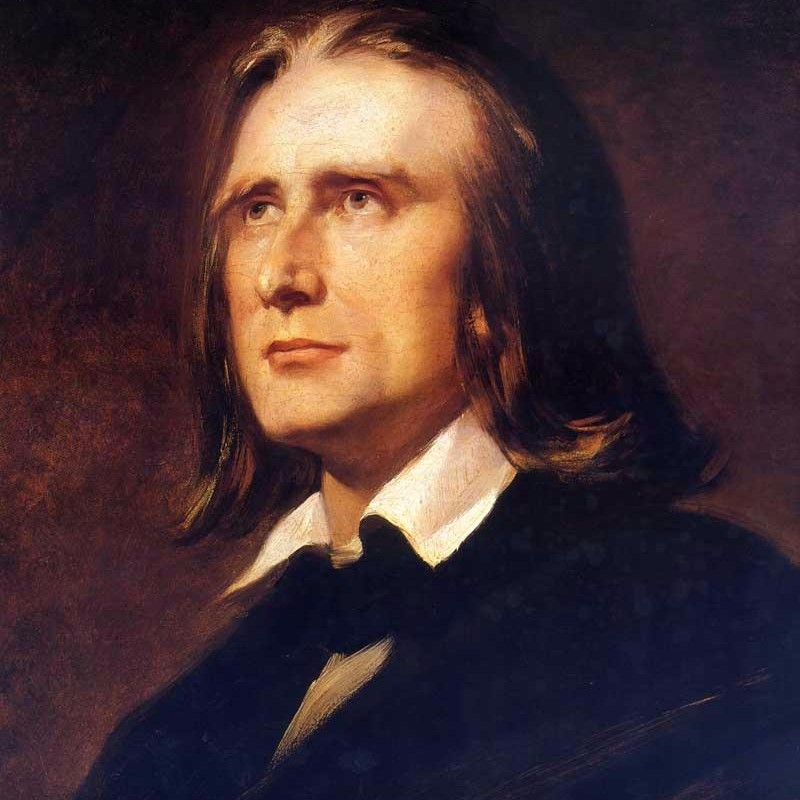
 View Artist