Song Meaning
Frankie Laine's "Music, Maestro, Please!" isn't just a song; it's a miniature stage play of heartbreak, set in a smoky, dimly lit club. The protagonist, nursing a tall drink and a chaser for his blues, is desperately trying to outrun the ghost of a lost love. The lyrics paint a vivid picture of a man bargaining with the bandleader, pleading for any melody that will drown out the memories threatening to consume him. It's a raw, almost theatrical display of denial.
The repeated requests to the "maestro" are less about enjoying the music and more about self-medication. Each note, each rhythm, is a potential anesthetic against the ache of solitude. The specific instruction *not* to play a waltz – "She used to like waltzes / So please don't play a waltz" – is a poignant reveal. It's not just any song that triggers the pain; it's *their* song, the music that once scored their shared joy. The waltz becomes a symbol of what's been lost, a painful reminder of a connection severed.
Ultimately, "Music, Maestro, Please!" speaks to the universal human impulse to escape emotional pain. The man in the song isn't seeking joy; he's seeking oblivion, a temporary reprieve from the memories that haunt him. The vibrant jazz and swing music become a mask, a desperate attempt to conceal the quiet desperation simmering beneath the surface. The song's power lies in its honest portrayal of vulnerability, revealing how even the most carefully constructed facades can crumble under the weight of a broken heart.
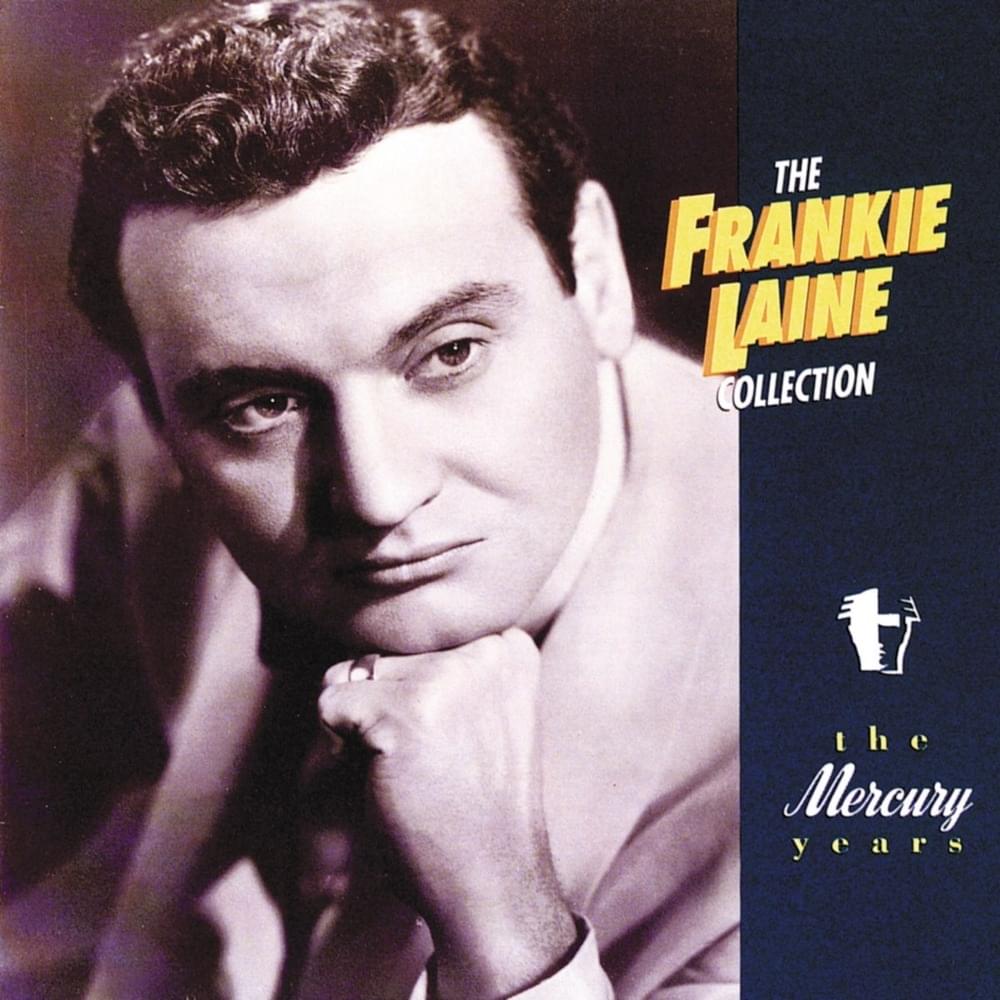
 View Artist