Song Meaning
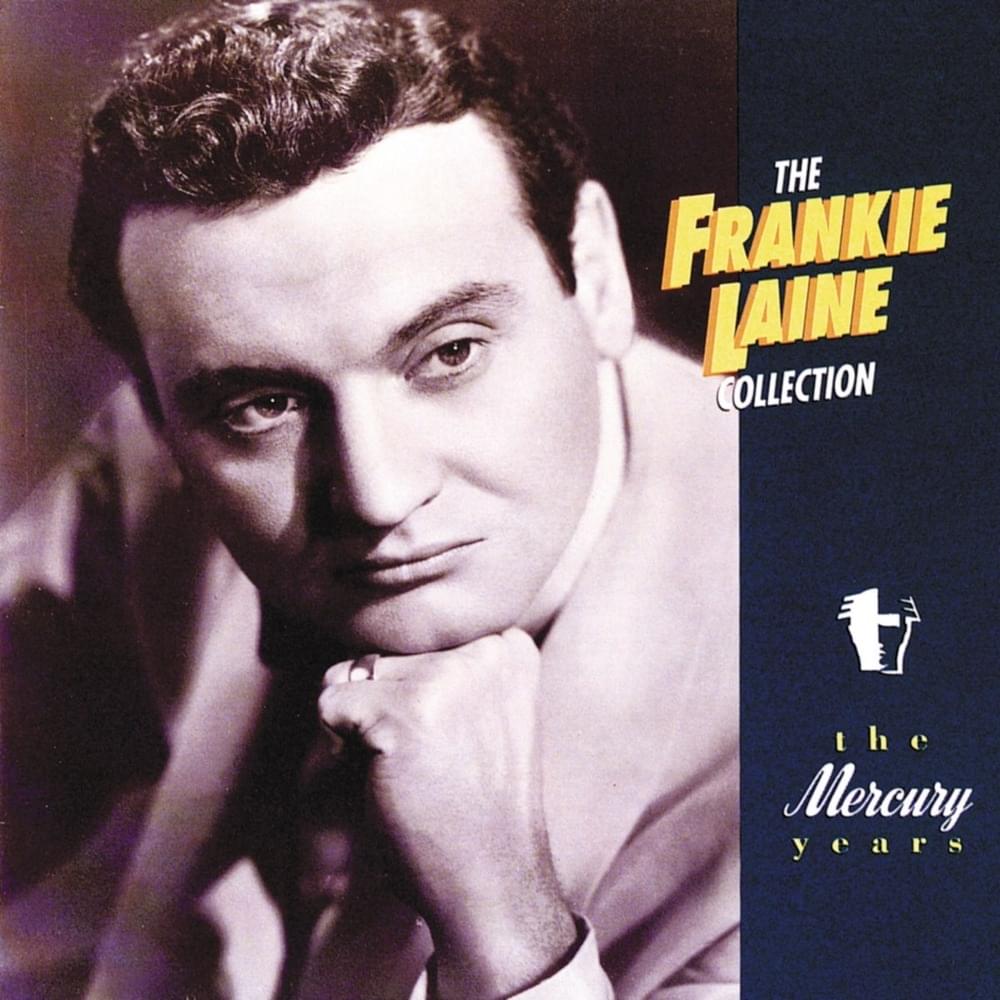
Frankie Laine's rendition of "God Bless The Child" doesn't just deliver a melody; it serves a stark, blues-infused commentary on self-reliance in a world rigged against the have-nots. The opening lines, "Them that's got shall get, them that's not shall lose," aren't merely lyrics; they're a brutal economic theorem, echoing the pervasive societal structures that perpetuate inequality. Laine's deep baritone imbues these words with a world-weariness that hints at generations facing the same uphill battle. The repeated invocation of "Mama may have, papa may have, but God bless the child that's got his own" isn't necessarily a dismissal of family, but an acknowledgement that familial support isn't always a guarantee or a solution to systemic poverty. It's a call for individual agency, a gritty assertion of independence born out of necessity. This is a poignant expression of the psychological weight carried by those forced to navigate the world without a safety net.
The song's exploration of wealth and its transient nature adds another layer to its profound message. The lyrics, "Money, you've got lots of friends crowding 'round the door; When you're gone, spending ends, they don't come no more," is not some simple lament about losing riches. It’s a cynical observation about the transactional nature of relationships, particularly when resources dwindle. The lines about "rich relations" offering meager help underscore the superficiality of charity versus genuine support. Laine's phrasing drips with a quiet resentment, a recognition that crumbs from the wealthy don't equate to true empowerment. The true blessing, the song suggests, lies not in inherited wealth or fleeting generosity, but in the self-sufficiency required to survive.
Ultimately, Frankie Laine's "God Bless The Child" is more than just a song; it’s a psychological portrait of resilience painted against a backdrop of economic hardship. It's a testament to the strength required to forge one's own path, to find dignity and self-worth in a system designed to undermine it. The repeated refrain serves as both a prayer and a defiant mantra, a recognition of the odds and a declaration of independence in the face of them. Its enduring power lies in its unflinching honesty and its ability to resonate with anyone who has ever felt the weight of the world on their shoulders, armed with nothing but their own will to survive.
 View Artist