Song Meaning
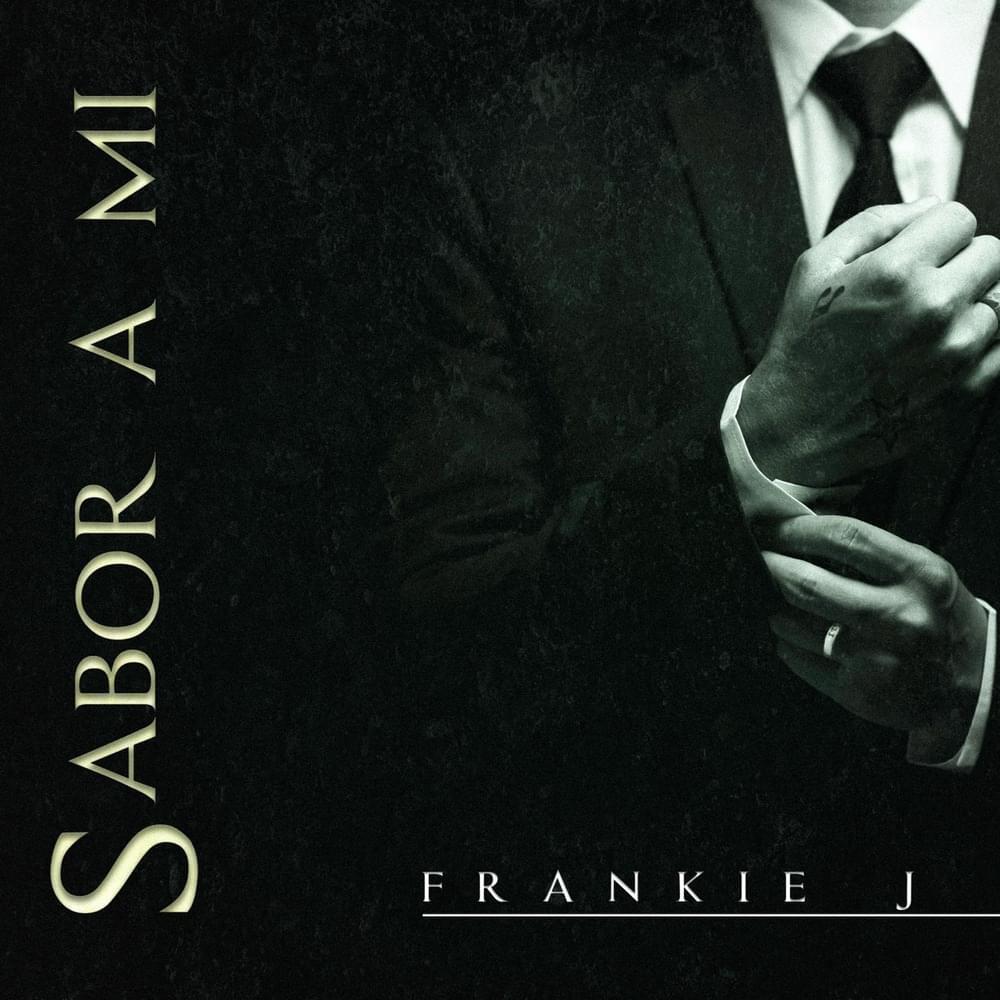
Frankie J's rendition of "Sabor A Mí" isn't just a cover; it's an exploration of lingering intimacy and existential connection. The song, a classic bolero, revolves around the idea that love transcends physical presence, embedding itself so deeply that lovers carry a part of each other within them. It's a poignant take on shared experience becoming intrinsic to one's identity; the lyrics suggest that even if one partner were to deny the relationship, the very essence of their being would betray the truth. The phrase 'Sabor a Mí' ('Taste of Me') becomes a metaphor for this indelible mark, a sensory reminder of a bond that cannot be erased. The idea goes beyond mere memory; it's about a fundamental transformation of the self through love.
Frankie J's interpretation highlights the bittersweet quality of this connection. There's a vulnerability in the lines about not claiming ownership and offering the best of oneself despite being 'pobre' (poor). This humility underscores the purity of the love being described. It's not about possession or ego, but about the selfless giving that defines true intimacy. The acknowledgement of personal poverty emphasizes that the most valuable thing he has to offer is his love and the shared 'sabor'. This sentimentality, a hallmark of bolero music, is amplified by the universality of the theme: the desire to leave a lasting impression on someone's soul.
Ultimately, the enduring power of "Sabor A Mí" lies in its contemplation of love's potential immortality. The lyrics ponder whether love exists in eternity, suggesting that even across vast stretches of time, the 'taste' of the relationship will remain. This isn't just romantic fluff; it's a meditation on how deeply interconnected we become with those we love. Frankie J taps into this profound sense of connection, reminding us that love leaves an imprint that outlasts physical existence. The song, therefore, becomes an ode to the enduring legacy of love, a testament to its ability to transcend time and space, leaving an eternal 'sabor' on the palate of the soul.
 View Artist