Song Meaning
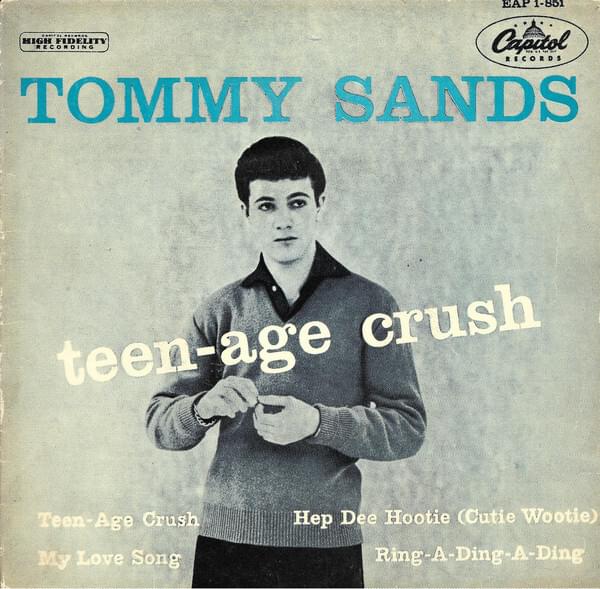
The narrator is pushing back against dismissive labels for their intense feelings. The repeated phrase "They call it a teen-age crush" sets up a central conflict: the external perception versus the internal reality of the narrator's emotions. The lyrics immediately assert "They don't know how I feel" and "They can't believe this is real," highlighting a profound disconnect between the narrator's lived experience and the judgment of others.
The core tension arises from the older generation's perceived amnesia about their own youthful passions. The narrator laments that "They've forgotten when they were young" and their desire "to be free," suggesting a cyclical pattern of judgment where adults devalue the intensity of youth. This older generation's pronouncement, "This young generation / Is just not the way it used to be," serves as a direct critique of the narrator's present feelings, dismissing them as a phase rather than genuine emotion.
The most striking aspect is the narrator's fierce self-advocacy. They declare, "I know that I know my own heart," a powerful assertion of internal truth against external doubt. This is juxtaposed with a plea to a specific person, "you say I'm trying to rush," indicating that even the object of affection might be influenced by societal skepticism. The repeated request, "Please, don't try to keep us apart / Don't call it a teen-age crush," underscores the desperation to have their connection recognized as valid and significant.
Ultimately, the lyrics resonate because they capture the universal sting of having one's deeply felt emotions invalidated. The writing effectively uses repetition to emphasize the external judgment and the narrator's persistent defense. It’s this raw plea for recognition, for their feelings to be seen as real and not just a fleeting "teen-age crush," that gives the song its emotional weight.
 View Artist