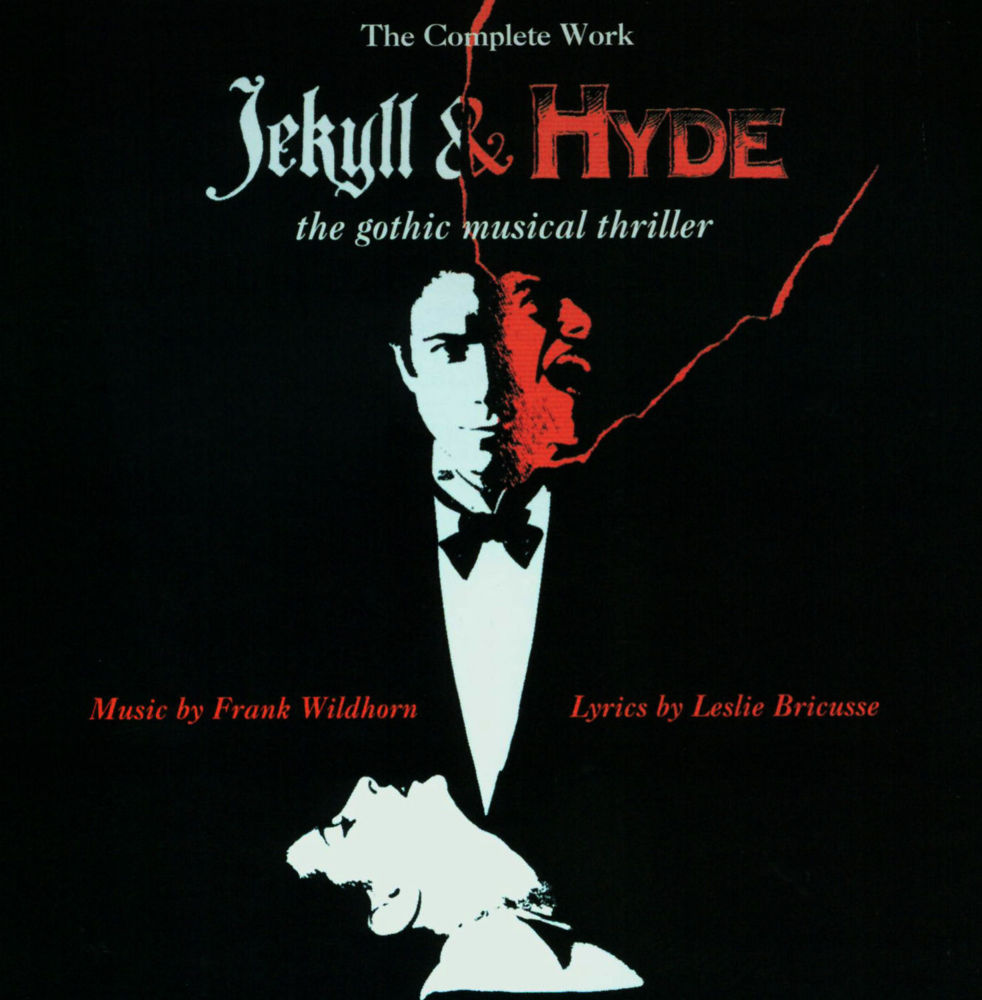
Song Meaning
The lyrics present a stark internal conflict, a battle for control between two distinct selves. The speaker, identified as Jekyll, grapples with the encroaching influence of a "worse self," acknowledging a gradual loss of his "better self." This isn't just a simple duality; it's a conscious awareness of being "absorbed" by this darker persona, creating a sense of dread and inevitability.
The core tension lies in the fractured relationship between these two natures. Jekyll can "share in the pleasures and wickedness of Hyde," suggesting a perverse connection and even complicity. Yet, Hyde's perspective is one of pure self-interest, indifferent to Jekyll. The father-son dynamic, described with "more than a father's interest" and "more than a son's indifference," highlights this unsettling imbalance and lack of mutual recognition.
A fascinating paradox emerges in Jekyll's contemplation of suicide as a means to control Hyde. He recognizes Hyde's fear of this ultimate power, yet "find[s] it in my heart to pity him." This unexpected pity, directed at the very part of himself he seeks to destroy, reveals a complex emotional landscape. It suggests that even in the face of pure evil, there's a flicker of shared humanity or perhaps a profound sadness at the destruction of any part of the self, no matter how "worse."
This internal struggle is rendered powerfully through the direct address and contrasting perspectives. The lyrics effectively convey the horror of losing oneself to an inner darkness, while simultaneously exploring the unexpected emotional complexities that arise from such a profound internal division. The final, repeated "So wonderful is his love of life" feels particularly poignant, a desperate affirmation of existence even as one self is consumed by another.