Song Meaning
The narrator insists they're doing fine, a mantra repeated with almost defiant certainty. "I get along without you very well," they state, adding "Of course, I do" as if trying to convince themselves as much as anyone else. This initial assertion, however, is immediately undercut by a series of "except when" clauses, revealing the fragile nature of their supposed independence. The soft rain, a common trope for melancholy, becomes a trigger, instantly recalling the physical comfort of a past relationship. It’s a stark contrast between the declared self-sufficiency and the involuntary emotional response.
The core tension lies in the narrator's struggle to reconcile their desire to have moved on with the persistent echoes of a lost love. They claim to have "forgotten you just like I should," yet even a casual mention of the person's name or a familiar laugh sends them reeling. This internal conflict is personified in the self-deprecating "What a guy, what a fool am I," acknowledging the absurdity of believing their heartbreak could fool the universe, or perhaps, themselves. The moon, often a symbol of romantic ideals, is presented as an unwitting witness to this self-deception.
The lyrics masterfully employ a structure of assertion followed by exception, creating a sense of a carefully constructed facade. The repeated phrase "Of course, I do" acts as a nervous tic, a verbal reassurance that the narrator desperately needs to believe. The seasonal imagery, particularly the arrival of spring, serves as a potent metaphor for renewal and blossoming love, something the narrator explicitly avoids, fearing it would "break my heart in two." This avoidance highlights the depth of their unresolved pain and their conscious decision to remain emotionally stagnant rather than risk further heartbreak.
Ultimately, the effectiveness of these lyrics stems from their raw, almost conversational honesty about the difficulty of true emotional recovery. The narrator isn't presenting a picture of stoic resilience but rather a relatable portrait of someone trying to navigate grief by sheer force of will. The repeated attempts to dismiss their feelings, only to be undone by simple sensory triggers, underscore the involuntary nature of memory and longing. It’s this vulnerability, masked by a veneer of composure, that makes the narrator's plight so poignant.
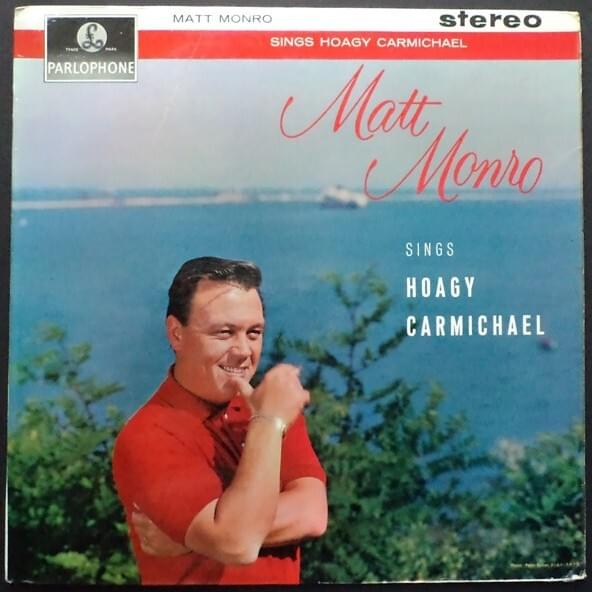
 View Artist