Song Meaning
These lyrics open with a stark, almost disorienting observation: time's swift passage from "summer" to "fall." The narrator immediately questions, "Whatever happened to them all?" — a poignant, rhetorical query about the vanished seasons of a lifetime. It sets a tone of wistful reflection, a quiet reckoning with the relentless march of years.
The central tension emerges from the narrator's past versus his present. He describes himself as a man of "wandering ways" who "never paused at wishing wells," suggesting a life lived with a forward gaze, perhaps restless or ambitious. Yet, in his current "September," he's now "looking back to yesterdays," allowing a "long forgotten love" to surface, eliciting a soft sigh. This shift from outward pursuit to inward contemplation is key, revealing a new phase of life where memories hold a different weight.
The craft here shines in the subtle emotional shifts and evocative imagery. The narrator moves from a soft sigh over a past love to "smiling gently" while watching "children's carousels." Their "laughter's music to my ears" suggests a newfound appreciation for simple, present joys. This contrast between past longing and present contentment is beautifully captured, showing a man who has found peace not by forgetting, but by integrating his past with a gentle embrace of the now.
The repeated phrase, "September, the warm September of my years," serves as the heart of the lyrics. September, often associated with autumn's mellow beauty and the end of summer, is here explicitly described as "warm" and, ultimately, "golden." This isn't a lament for lost youth, but an acceptance and even celebration of a rich, mature stage of life, imbued with the wisdom and quiet joy of reflection. It's a powerful statement about finding value and warmth in the later chapters.
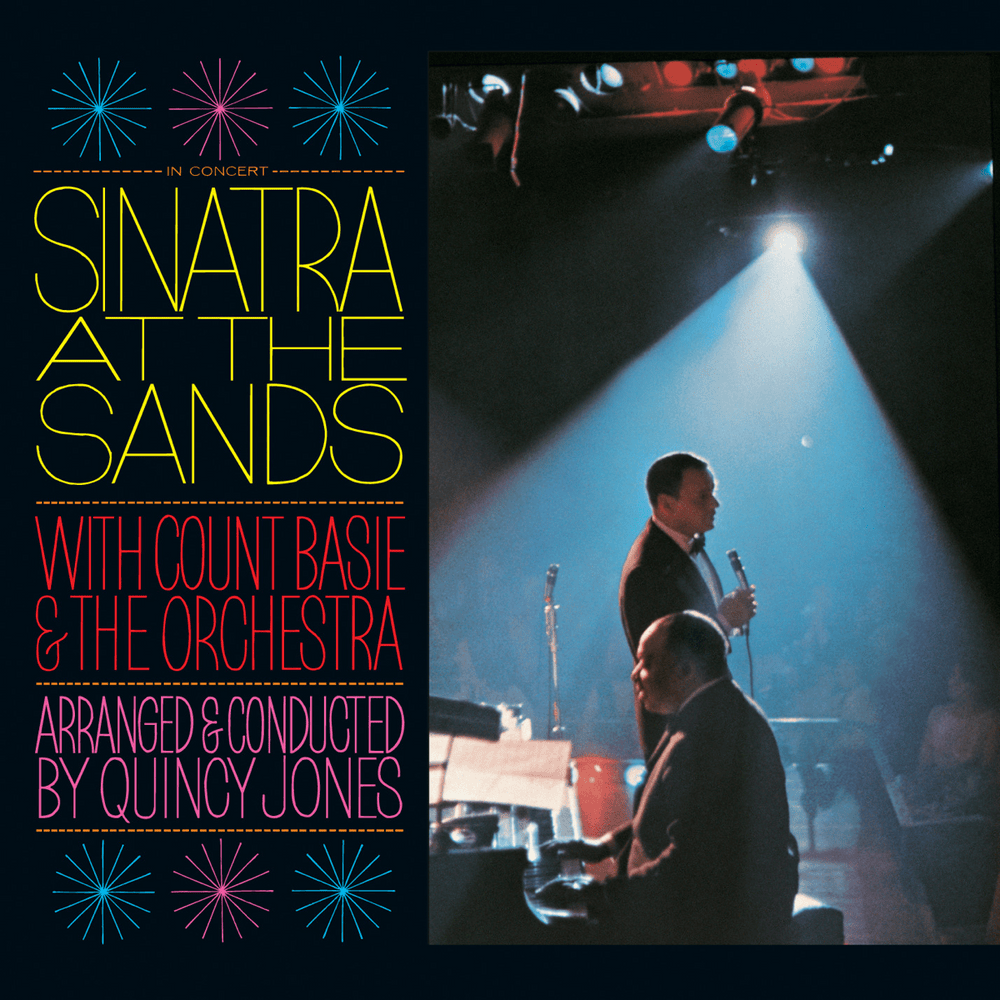
 View Artist