Song Meaning
The lyrics paint a picture of lingering regret and a desperate search for a lost love. The narrator recalls a time of youthful happiness walking with a companion, a stark contrast to the present loneliness. This initial scene sets a tone of wistful remembrance, emphasizing the sudden and unexplained nature of the separation. The phrase "somewhere along the way" becomes a haunting refrain, highlighting the mystery and pain of the loss.
The central tension lies in the narrator's inability to forget, despite the passage of time and the absence of the loved one. The memory of their shared past, once a source of joy, now fuels a profound sense of loneliness. The lyrics suggest a conflict between the desire to move on and the persistent pull of memory, with the "loneliness of night" acting as a trigger for these overwhelming recollections. The feeling that the lost person will "always be part of me" underscores the enduring emotional connection.
The most striking aspect of the craft is the recurring image of the "avenue" as both a physical space of shared history and a metaphor for the path of life. The narrator now walks this same avenue alone, searching for a reunion that seems increasingly improbable. This repetition of place, coupled with the shift in the narrator's solitary state, powerfully conveys the depth of their longing and the emptiness left by the absence. The contrast between the past "hearts were young and gay" and the present "loneliness" is palpable.
Ultimately, these lyrics resonate because they capture the universal ache of lost connection and the persistent hope that can survive even the most profound separation. The simple, direct language and the focus on a singular, poignant memory make the narrator's yearning feel immediate and deeply felt. The final prayer to "find you, somewhere along the way" leaves the listener with a sense of enduring, albeit melancholic, hope.
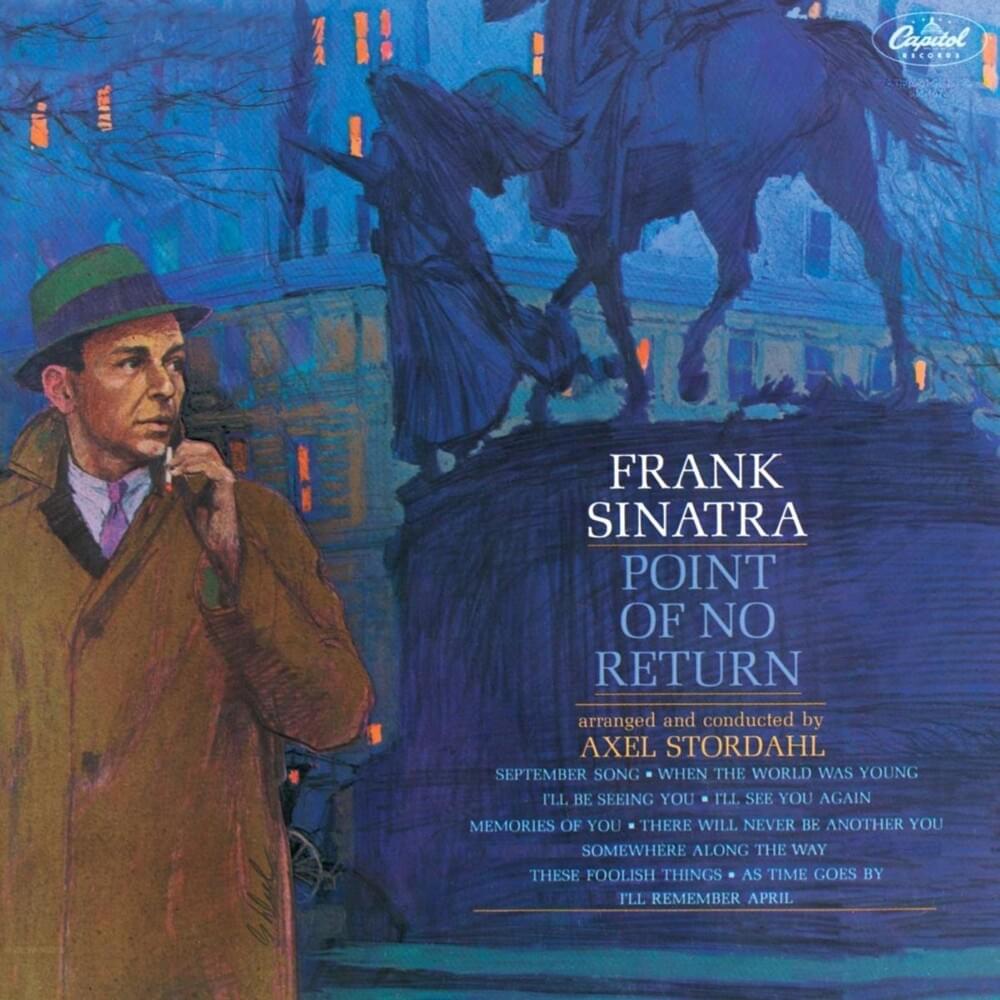
 View Artist