Song Meaning
The lyrics paint a picture of a lost golden age, a time of innocent love and carefree happiness. The opening lines immediately establish a fairy-tale quality, with a girl whose "moonlight in her eyes" suggests a magical, almost ethereal presence. This idealized past is presented as a singular, cherished memory, a stark contrast to the present. The repetition of "Once upon a time" acts as a refrain, framing each verse with the weight of nostalgia and the irretrievability of that specific moment.
The central tension lies in the irreversible passage of time and the loss of that idyllic state. The narrator revisits specific, sensory details – the girl's hand, the willow tree, the breeze in her hair – but these vivid recollections only serve to highlight what is no longer present. The disappearance of the "tree" in Verse 2 is a potent image, suggesting that even the physical anchors of these memories are subject to decay and loss, mirroring the fading of the relationship and the innocence it represented.
The most striking aspect of the craft is the deliberate use of the "Once upon a time" motif not just as an opening, but as a marker of an unrecoverable past. It’s a phrase typically associated with fantasy and beginnings, yet here it signifies an ending, a definitive closure. The lyrics subtly shift from recounting events to a direct lament, asking "Where did it go?" The contrast between the boundless joy of "laughed as though tomorrow wasn't there" and the present reality of "Never comes again" is the emotional core, amplified by the simple, declarative final lines.
This lyrical construction is effective because it taps into a universal feeling of looking back at a perfect moment that can never be recaptured. The specificity of the images – moonlight eyes, a willow tree – makes the past feel tangible, while the recurring phrase grounds the listener in the narrator's melancholic present. The ultimate message, delivered with poignant simplicity, is that while memories remain, the feeling and circumstances of that specific "once upon a time" are lost forever, leaving a lingering sense of wistful longing.
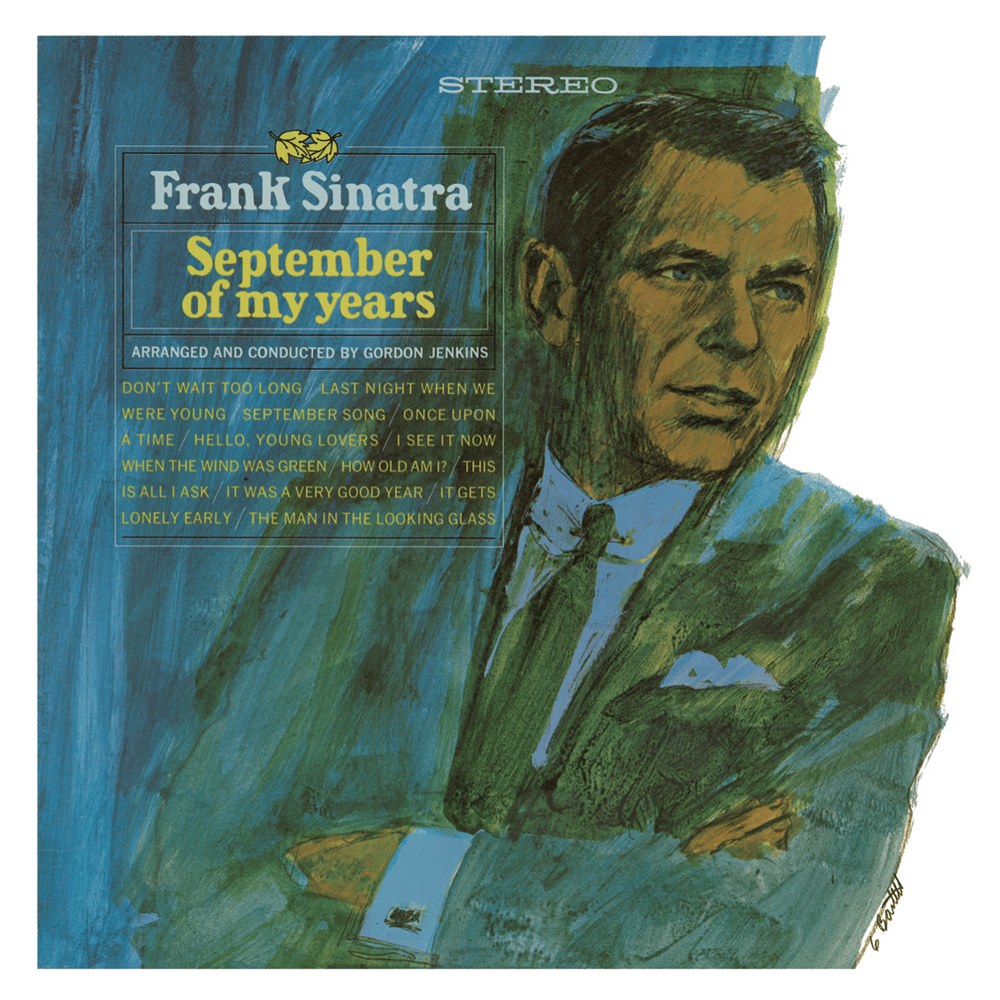
 View Artist