I’m a Fool to Want You
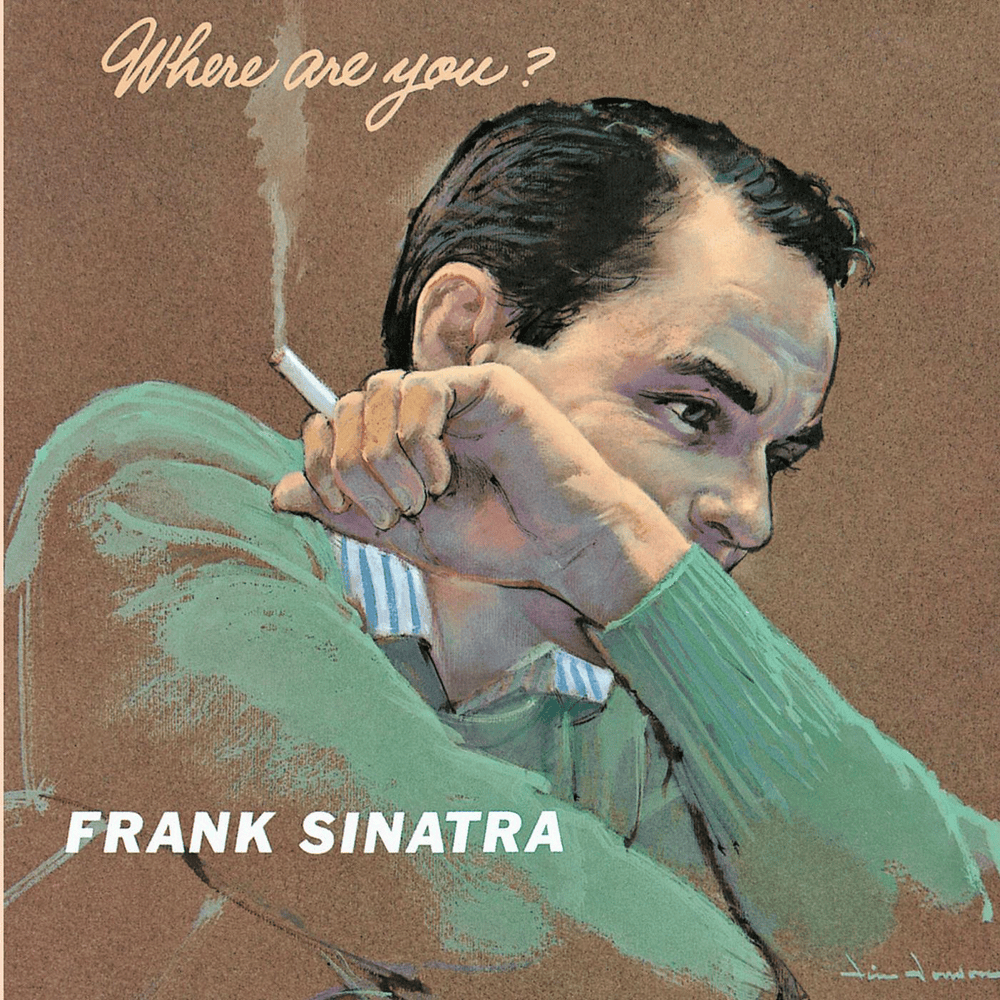
Frank Sinatra - Pop, Concept Album
I’m a Fool to Want You
101.1K Plays
Duration: 2:55
 View Artist
Lyrics
[Verse 1] I'm a fool to want you I'm a fool to want you To want a love that can't be true A love that's there for others too [Verse 2] I'm a fool to hold you Such a fool to hold you To seek a kiss not mine alone To share a kiss the Devil has known [Chorus] Time and time again I said I'd leave you Time and time again I went away But then would come the time when I would need you And once again these words I'll have to say [Verse 3] Take me back, I love you Pity me, I need you I know it's wrong, it must be wrong But right or wrong I can't get along Without you
Rate this song
0/5.0 - 0 Ratings
5
0.0% (0)
4
0.0% (0)
3
0.0% (0)
2
0.0% (0)
1
0.0% (0)
Loading comments...
Credits
- Writers
- Jack Wolf
- Joel Herron
- Frank Sinatra