Song Meaning
These lyrics paint a picture of a relationship reaching its quiet, inevitable end. The speaker, with a remarkable sense of composure, is actively pushing their partner away, insisting on their own resilience: "Don't worry 'bout me / I'll get along." It's a poignant, almost heartbreaking act of self-sacrifice, prioritizing the other person's future happiness above all else.
The central tension lies in the speaker's seemingly rational approach to an inherently emotional situation. They frame the relationship as a "little show" that's "over," suggesting a performance that has run its course. This detached language, urging to "call it a day the sensible way," attempts to intellectualize a painful separation, perhaps as a coping mechanism or a way to make the parting easier for the other person.
What truly hits hard is the consistent focus on the partner's well-being, almost to the exclusion of the speaker's own. Phrases like "Look out for yourself" and "Don't you be a fool" sound less like casual advice and more like a desperate plea for the other to thrive. The relationship itself is reduced to a "fading thing / That used to be," a tender acknowledgment of what was, now irrevocably in the past.
Ultimately, these lyrics are effective because they articulate a profound, selfless love through absence. The speaker's repeated insistence, "Don't you worry 'bout me," feels less like a statement of fact and more like a carefully constructed emotional barrier. It's a powerful portrayal of someone choosing to carry their own burden silently, so that another might find peace.
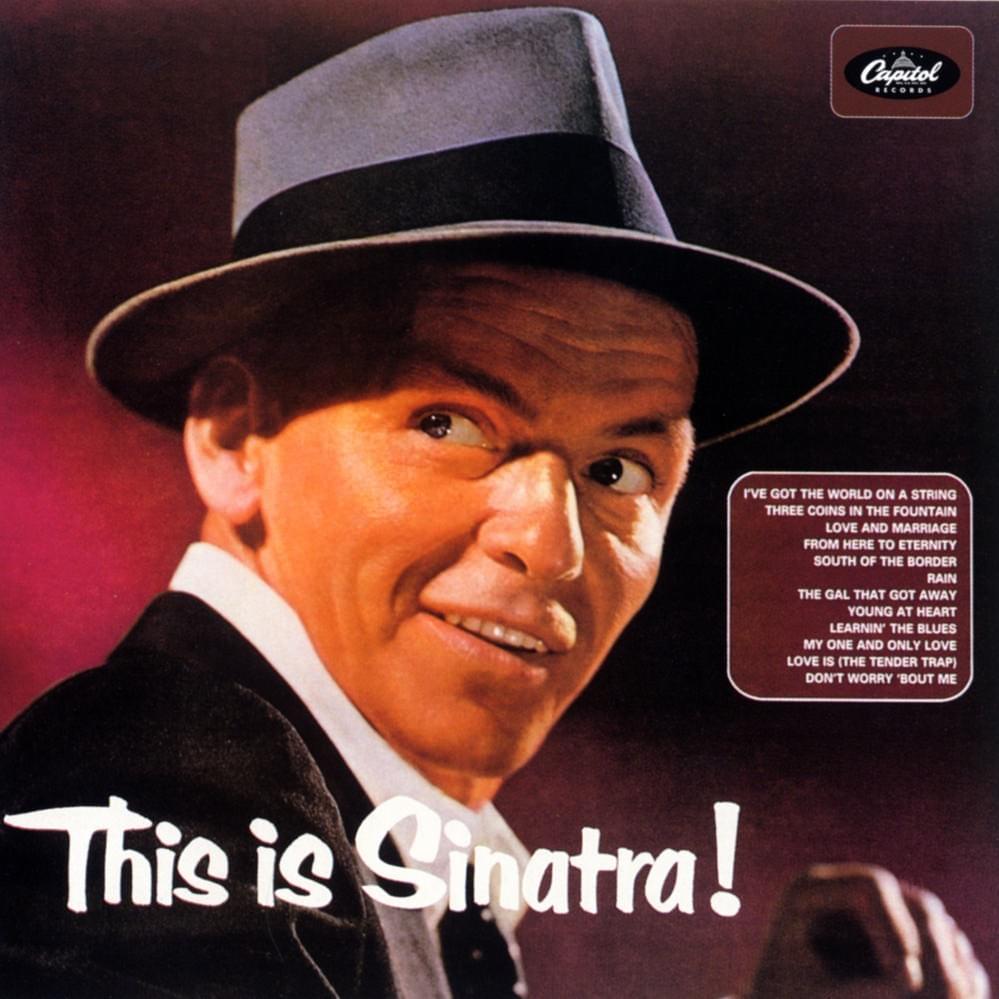
 View Artist