Song Meaning
The lyrics paint a picture of fleeting happiness, personified as "the days of wine and roses" that "laugh and run away like a child at play." This imagery immediately establishes a tone of wistful nostalgia, suggesting that moments of joy are inherently transient and difficult to hold onto. The pursuit of these moments leads toward a metaphorical "closing door," ominously marked "nevermore," a phrase that underscores the finality of lost opportunities or past pleasures.
The central tension arises from the contrast between the vibrant, playful nature of these cherished times and the stark reality of their disappearance. The "lonely night" serves as a backdrop for reflection, where the only tangible remnants are "memories" carried on a "passing breeze." These memories are tied to a specific, almost idealized moment – the "golden smile" (or "golden laugh" in the repeated section) that initiated the experience of "the days of wine and roses" with a significant "you."
The most striking craft element is the personification of happiness as a fleeing child and the introduction of the "nevermore" door, which appears unexpectedly. This creates a sense of abrupt loss, as if the path to joy was suddenly and irrevocably blocked. The repetition of the second verse, with a slight alteration from "smile" to "laugh," emphasizes the enduring power of that initial spark of connection, even as the experience itself has vanished.
These lyrics resonate because they capture the universal ache of remembering perfect moments that are now out of reach. The writing effectively uses simple, evocative imagery – a child at play, a closing door, a passing breeze – to convey a profound sense of loss and the bittersweet nature of memory. The focus on a singular, initiating moment of joy anchors the abstract concept of fleeting happiness in a relatable human experience.
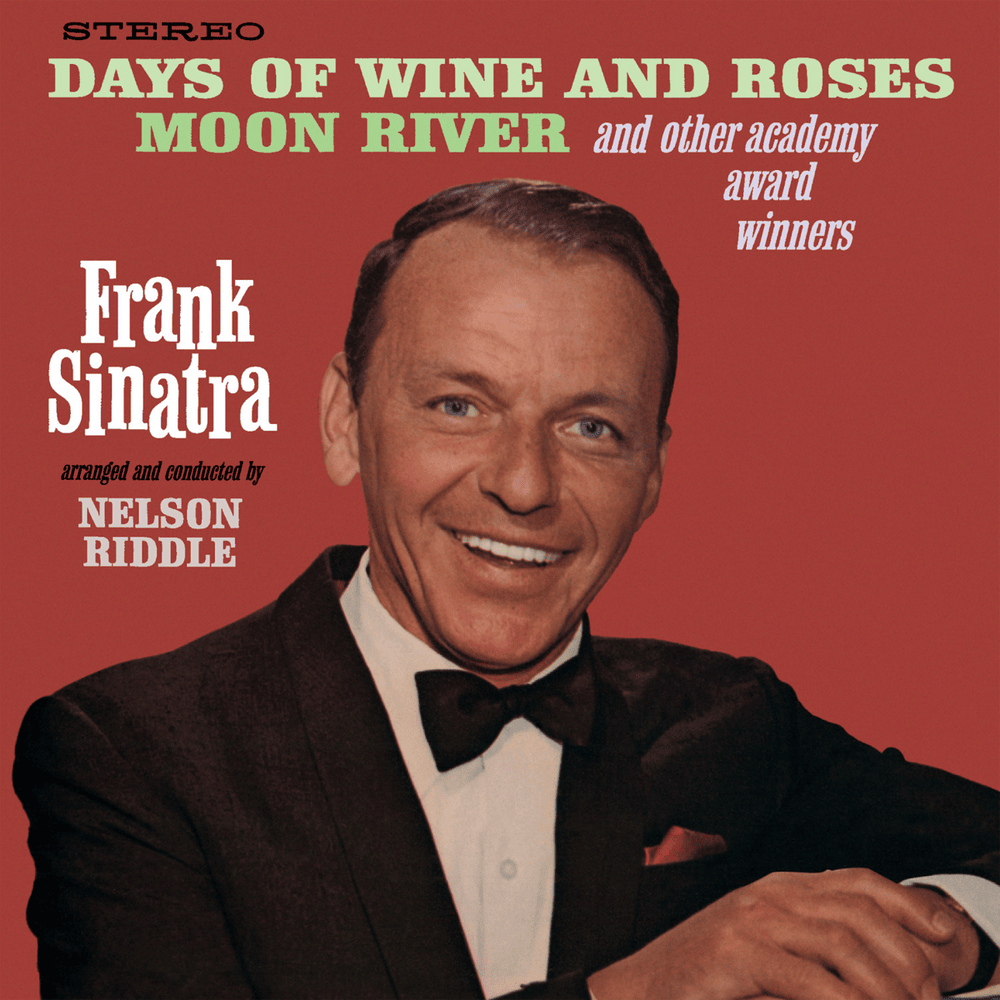
 View Artist