Song Meaning
This song paints a stark picture of marital expectations, framing a wife's role as a constant performance designed to keep her husband's attention. The narrator directly addresses a "little girl," urging her to "fix your make-up" and "try any more" even after marriage, establishing a tone of anxious instruction. The core message is that a wife must perpetually act as a "lover" to avoid losing her husband, a sentiment underscored by the chillingly pragmatic warning: "Don't stand him up... You may not see him again."
The central tension lies in the precariousness of the marital bond as depicted here. It's not presented as a partnership but as a fragile arrangement requiring constant appeasement from the wife. The lyrics suggest a world where men are inherently unfaithful or easily bored, and the wife's primary duty is to preemptively counter this by maintaining an alluring facade. This creates an unsettling dynamic where love is conflated with a strategic effort to retain a partner.
The most striking element is the repeated, almost mantra-like chorus: "Wives should always be lovers too." This phrase, delivered with a sense of urgent advice, strips away any nuance of a relationship's evolution. It reduces the wife's identity to a singular, demanding purpose: to be perpetually available and attractive for her husband's return. The bridge further emphasizes this performative aspect, detailing specific actions like dimming lights and pouring wine, all in preparation for "love," which feels less like genuine affection and more like a scheduled event.
Ultimately, the effectiveness of these lyrics stems from their blunt, almost cynical portrayal of a specific, traditionalist view of marriage. The direct address and the urgent, cautionary tone create an immediate sense of unease. The song works by presenting a seemingly simple piece of advice that, upon closer examination, reveals a deeply unsettling undercurrent of insecurity and control, forcing the listener to question the nature of the "love" being advocated.
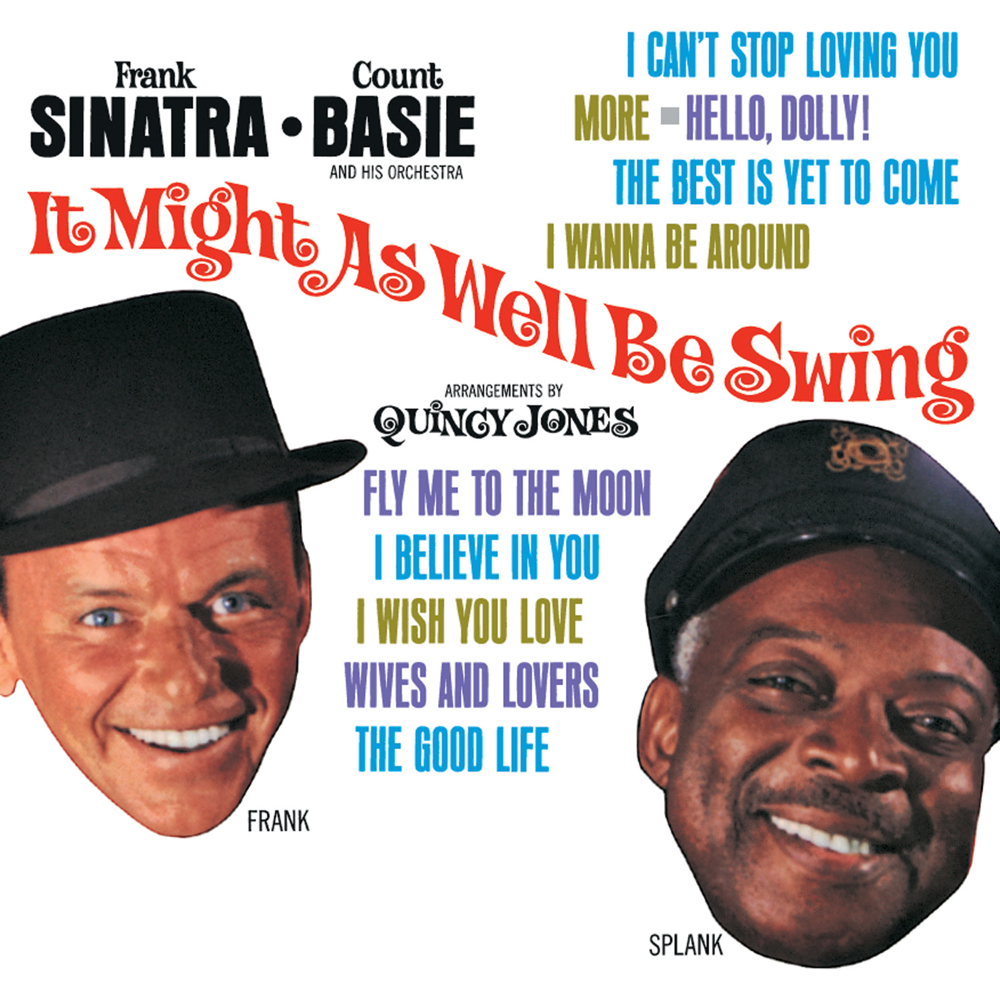
 View Artist