Song Meaning
The lyrics paint a stark picture of a year gone terribly wrong, a descent into a deep, isolating despair. The opening lines establish a sense of profound loss, where everything cherished has been destroyed, leaving the narrator in a suffocating darkness. This isn't just sadness; it's a feeling of being trapped in a grave-like state, with no clear escape in sight. The repeated, almost desperate cry of "Rise" feels less like a call to action and more like a plea against the overwhelming pull downwards.
The core tension lies in the narrator's self-perception as a destructive force, a "curse," a "war," a "disease." This internal conflict is amplified by the paradoxical loneliness experienced even when "surrounded by my friends." The "summer of blood" isn't a literal event but a metaphor for a period of intense personal devastation and emotional wounding, a time that feels both agonizingly long and desperately wished to be over. The narrator's desire to be forgotten, to be "deaf," "mute," and "blind," highlights a profound shame and an inability to confront the pain they've caused or experienced.
The most striking craft element is the stark contrast between the external presence of friends and the internal feeling of absolute isolation. The narrator claims to be unable to "hear the pain that I left behind" or "see the tears in your eyes," suggesting a self-imposed emotional deafness and blindness as a coping mechanism. This creates a chilling effect, emphasizing the depth of their internal suffering and their perceived separation from the world, even when physically present with others. The repetition of "A summer of blood" acts as a grim refrain, cementing the idea of this period as a defining, traumatic experience.
Ultimately, these lyrics resonate because they articulate a raw, almost primal sense of being overwhelmed and broken. The narrator's self-flagellation and desperate wish for oblivion, coupled with the crushing loneliness, tap into a deep-seated fear of personal failure and isolation. The writing doesn't offer easy answers or catharsis; instead, it forces the listener to confront the bleakness of a mind consumed by its own perceived destruction, making the plea for the "end" feel tragically inevitable.
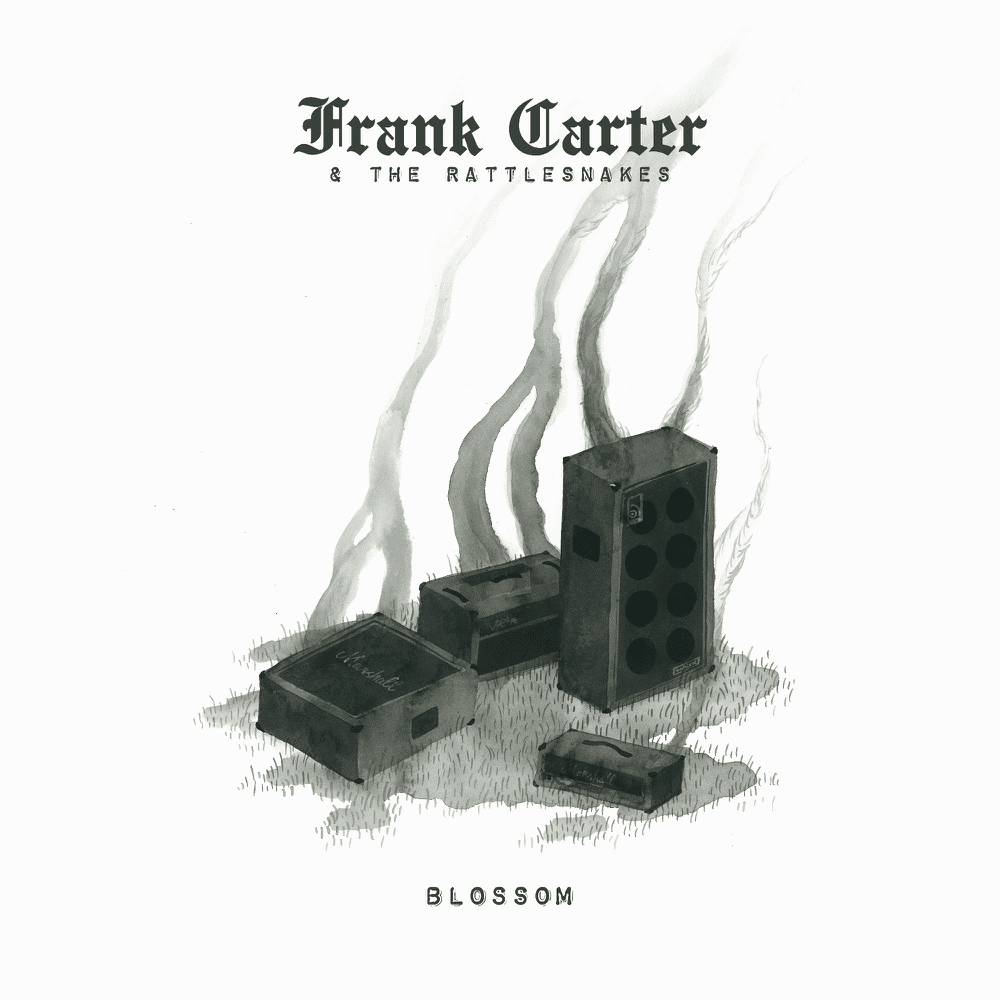
 View Artist