Song Meaning
The lyrics paint a stark picture of absolute dependence, opening with a confession of disbelief: "Nooit gedacht dat het mogelijk was" (Never thought it was possible). This immediately sets a tone of profound realization about the speaker's inability to function without another person. The repeated refrain, "Maar ik kan niet zonder jou" (But I can't live without you), hammers home this central theme, suggesting a love or connection so powerful it has become the speaker's sole anchor. The initial shock gives way to a resigned acceptance of this inescapable truth.
The core tension lies in the contrast between the speaker's desires and their perceived limitations. They express a wish to "alles kon" (could do everything) and "veel verder willen gaan" (want to go much further), indicating ambition or a yearning for independence. Yet, this desire is consistently undercut by the overwhelming reality of their dependency. This internal conflict highlights the paralyzing effect of this profound connection, where personal aspirations are rendered secondary to the presence of the beloved.
The lyrics masterfully use imagery of disorientation and searching to illustrate the speaker's state. Phrases like "In verloren uren" (In lost hours), "vraag naar de weg" (asking for the way), and "In een onbekende stad" (In an unknown city) create a sense of being adrift. Even in moments of happiness or facing "hete vuren" (hot fires), the need for the other person is present. The moon shining in the river and the music sounding like it's from the other person's hand further blur the lines between reality and the speaker's internal world, suggesting the beloved's presence is felt even when physically absent.
This constant, almost desperate, invocation of the other person's necessity is what makes these lyrics so potent. The writing doesn't just state the feeling; it embeds it within scenarios of both mundane confusion and potential crisis. The final lines, "Want ik kan je nu zien" (Because I can see you now), offer a glimmer of resolution, suggesting that even in imagination, the speaker finds solace and a form of presence. It’s this raw, unvarnished admission of need, framed by evocative imagery, that resonates deeply.
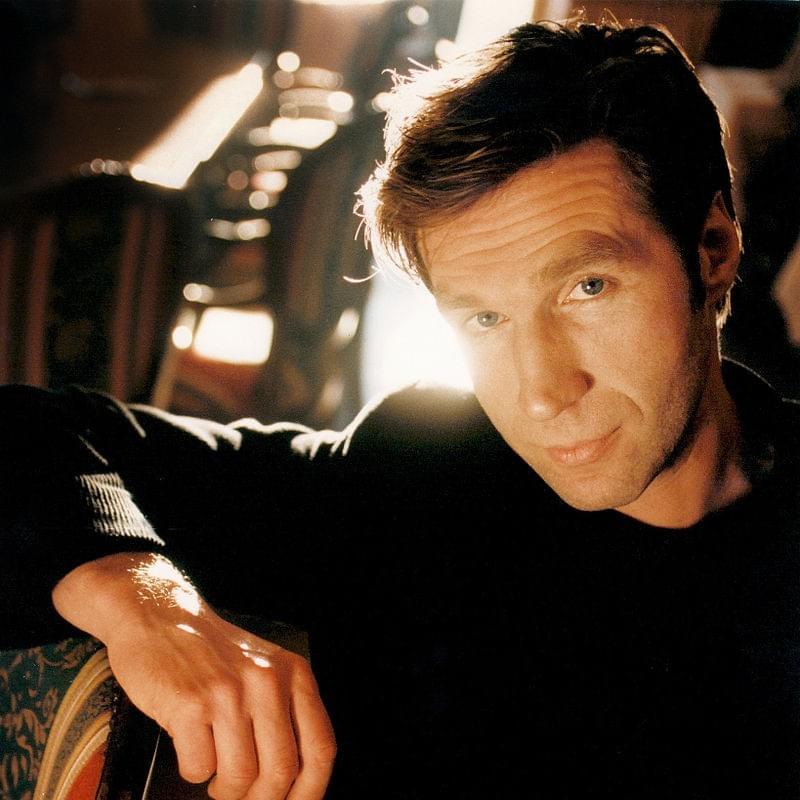
 View Artist