Song Meaning
The narrator wakes up to a stark realization: the person they knew is gone, fundamentally changed. This abrupt shift immediately triggers a deep-seated doubt, encapsulated in the repeated, almost desperate question, "Or is it me?" The lyrics paint a picture of a relationship that has dissolved, leaving behind a void where connection once existed. The feeling is one of profound disorientation, as if the ground has shifted beneath their feet, and they are left questioning their own perception and role in the demise.
The core tension lies in this uncertainty. The narrator grapples with whether the change is external – the other person has vanished or transformed – or internal, a failing on their own part. This internal questioning is amplified by the stark contrasts presented: "For life / Like death" and "Scared like death." These juxtapositions highlight an extreme emotional state, a feeling of being caught between intense vitality and utter desolation, a state that feels both life-affirming and terrifyingly final.
The recurring phrase "Elkaar overleefd" (survived each other) is particularly cutting. It suggests not a gentle drifting apart, but a battle, a struggle where both parties endured rather than thrived. This implies a relationship that became a burden, a test of endurance rather than a source of joy. The image of being "Drunk from love" before this survival adds a layer of tragic irony, hinting at a past passion that perhaps blinded them to the eventual decay.
Ultimately, the lyrics resonate because they tap into a universal fear of loss and self-doubt. The narrator's plea, "My happiness you took with you," coupled with the persistent question of fault, creates a powerful emotional landscape. The faint glimmer of "light in the distance" and a "life without pain" offers a fragile hope, but it's overshadowed by the immediate, gnawing uncertainty of what went wrong and who is to blame.
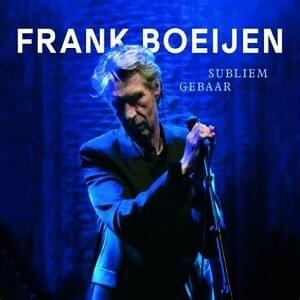
 View Artist