Song Meaning
The lyrics paint a picture of a future reckoning, looking back on a past struggle that has concluded. The immediate emotional tone is one of weary reflection, tinged with a sense of regret and bewilderment about past actions. The narrator poses questions about what will be thought and done when this time has passed, highlighting a disconnect between past and future selves.
The central tension arises from the contrast between the youthful, perhaps naive, state of the subjects and their future selves, who are described as "two children / Disturbed in their dream," "two fools / derailed in madness," and later, "two idiots / Much too old and much too late," "two lovers / But estranged from each other." This progression suggests a profound sense of loss and alienation, where a shared past has dissolved into separate, regretful futures.
The most striking aspect of the writing is the cyclical nature of the questions "What do we think then" and "What do we do then," juxtaposed with the stark, almost clinical descriptions of the individuals. The repetition of "Als later" (When later) anchors the entire reflection in a future perspective, emphasizing the weight of present actions on future memory. The final verses about the "light shining through the window" and "beautiful weather" offer a glimmer of hope or perhaps a poignant irony, suggesting that despite past turmoil, life continues and a new day dawns, even if the personal cost has been high.
These lyrics resonate because they capture a universal human experience: the anxiety of looking back on one's life and confronting the consequences of choices made, particularly in relationships. The specific, almost harsh, self-appraisal of the future selves – "idiots," "derailed" – makes the emotional impact visceral. The contrast between this internal reckoning and the external, indifferent beauty of a new day creates a powerful, melancholic effect, leaving the listener to ponder the enduring weight of past mistakes.
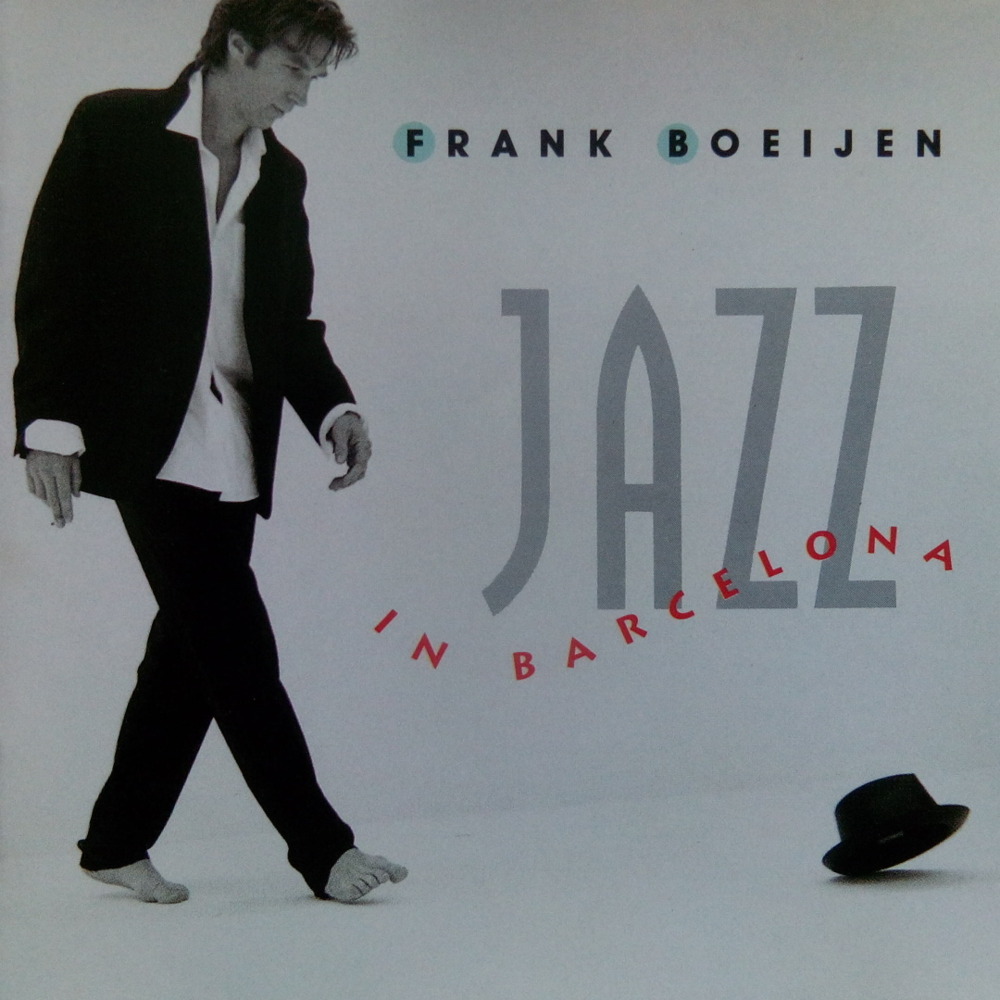
 View Artist