Song Meaning
The lyrics paint a picture of a man adrift in an unfamiliar city, grappling with hunger and intoxication as night approaches. The opening lines, with barking dogs and the encroaching evening, establish a sense of unease and disorientation. He finds himself in a cafe that's always open, a detail offered by a woman whose life story eerily mirrors his own, creating an immediate connection tinged with melancholy. This shared experience hints at a universal struggle, a feeling of being lost that transcends individual circumstances.
This sense of being lost is amplified by the narrator's internal dialogue, where the "devil of the drink" tempts him with escape. He's urged to take the woman to a "promised land," a hotel room with floral wallpaper, suggesting a desire for temporary solace or a fleeting romantic ideal. The repeated transformation of "Don Quichot" into "Don Juan" is a fascinating lyrical device. It suggests a shift from idealistic, perhaps futile, pursuits to a more hedonistic, womanizing persona, a desperate attempt to find meaning or pleasure in his current state.
The narrator's desire to "forget who I am" as they walk the cobblestones of Ghent underscores his aimlessness. The city's "dark silence" seems to fit their mood, a quiet backdrop to a singer's lament about a memory. This shared atmosphere of remembrance and quiet desperation builds towards a climax where an "open door is kicked in," leading to that hotel room.
The final lines, repeating "The reward for a desperate man," and questioning if this is indeed the reward, leave the listener with a profound sense of ambiguity. The hotel room, the potential tryst, the escape, is framed as a "reward," but the narrator's questioning tone suggests it's a hollow victory, a fleeting distraction rather than true fulfillment. The transformation from Quichot to Juan culminates not in triumph, but in a desperate, possibly self-destructive, act.
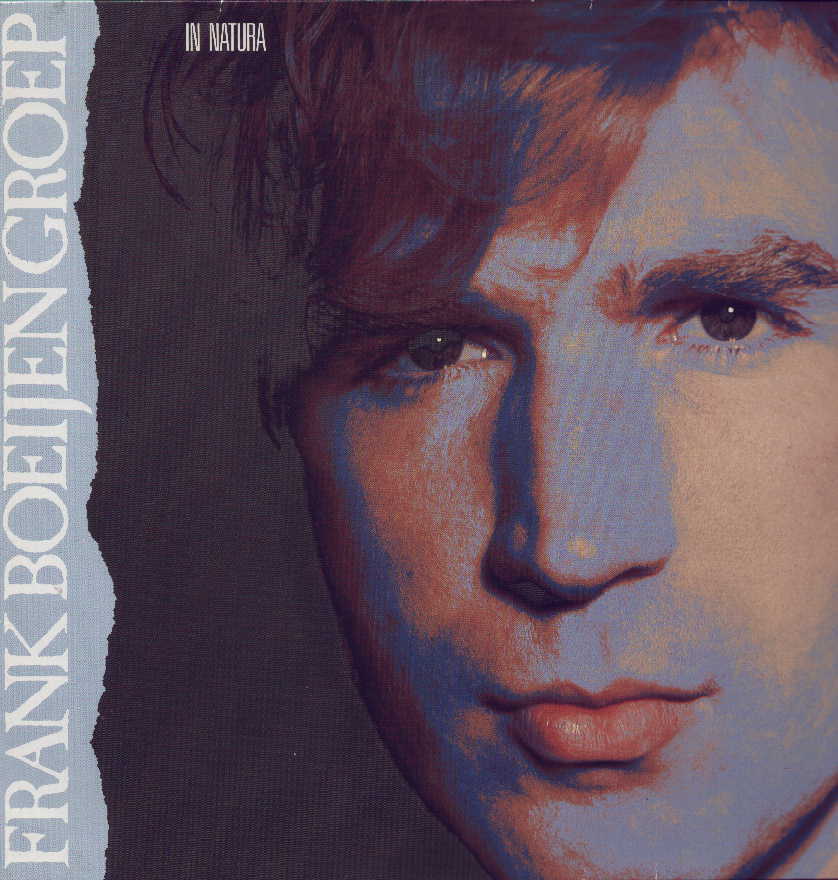
 View Artist