Song Meaning
The lyrics paint a picture of someone offering comfort to a repeatedly heartbroken individual. The repeated "Viens-là" (Come here) acts as a gentle but insistent invitation, a safe harbor for someone who "comes every time" to confess their pain. There's an immediate sense of familiarity and a weary tenderness in the narrator's voice, as if this scene has played out many times before.
The central tension lies in the narrator's understanding of the other person's self-destructive pattern of love. The narrator observes a "funny heart" that "always goes a hundred miles an hour" and "has no memory," leading it to be "fooled so often." This isn't a judgment, but a lament for someone who loves too freely and too often, even when "people who weren't nice" are involved.
The most striking aspect is the narrator's complex mix of pity and admiration. While acknowledging the pain, the narrator also expresses a desire to be like this person: "we'd like to be like you / To love as often as that." It's a poignant observation that the very vulnerability causing suffering is also the source of a powerful, if painful, capacity for love.
Ultimately, the effectiveness comes from this raw, empathetic portrayal of a cycle of hurt and healing. The narrator doesn't offer solutions, but simply presence and a quiet acknowledgment of the other's unique, albeit painful, way of experiencing the world. The final "But come: tell me what's wrong..." grounds the entire plea in a desire for connection, even amidst predictable sorrow.
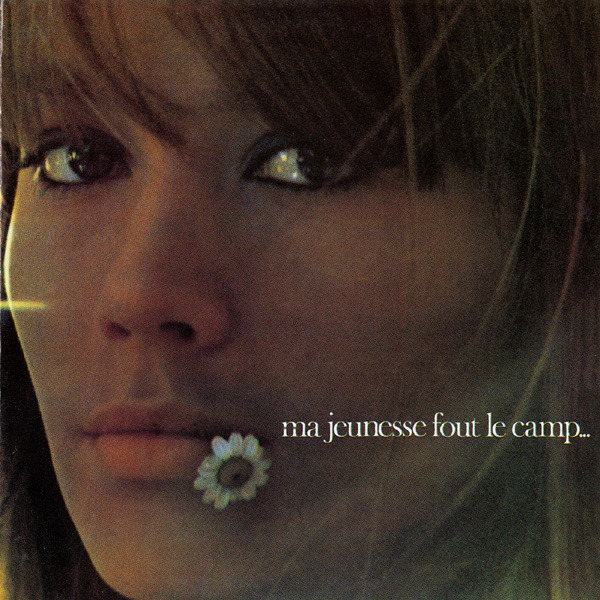
 View Artist