Song Meaning
The lyrics paint a picture of a heart that's remarkably self-contained, almost to a fault. The narrator addresses this "little heart" directly, noting its independence and resilience, stating "No one can break this little heart of yours." This heart is described as thinking "for you alone" and being "made of stone," suggesting an emotional fortress that has historically provided happiness but now seems to operate in isolation. The repeated assertion that "no one can shake" or "take" it reinforces this sense of unyielding self-sufficiency.
The central tension arises from the narrator's plea for this heart to open up, contrasting its current state with potential future happiness. The narrator hopes the heart "skips a beat" for someone new, a sensation it has apparently never experienced. This desire is framed as a warning: if the heart remains closed, it might end up with "regret" and forget the narrator entirely. The narrator's own inability to forget the heart, however, highlights a lingering attachment or perhaps a sense of loss.
The most striking aspect of the craft is the persistent, almost tender, repetition of "this little heart." This phrase, used over and over, creates a dual effect. On one hand, it emphasizes the heart's perceived fragility or diminutive nature, inviting a protective stance. On the other, it underscores the heart's stubbornness and self-possession, as the narrator struggles to penetrate its defenses. The questions "Why should this little heart close its doors / When you could have more of my love?" directly confront this emotional barrier, framing the heart's isolation as a self-imposed limitation.
Ultimately, the lyrics resonate because they capture a specific kind of unrequited emotional investment. The narrator is trying to convince an unresponsive entity – this "little heart" – to engage, to feel, and to reciprocate. The effectiveness comes from the detailed portrayal of this one-sided effort, the gentle but persistent questioning of the heart's closed-off nature, and the underlying sadness that this self-imposed solitude might lead to future regret for the heart, and continued remembrance for the narrator.
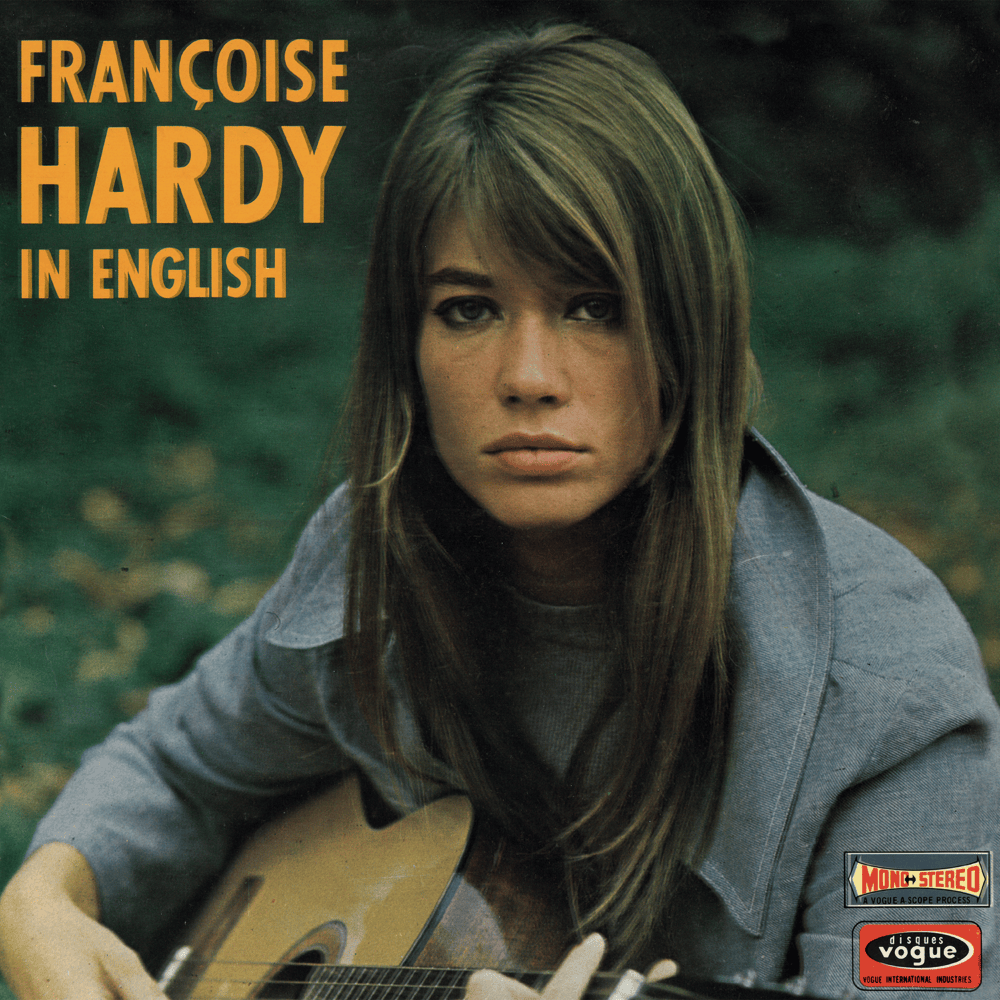
 View Artist