Song Meaning
The narrator navigates hidden spaces, seeking glimpses of another's soul within a delicate, filigreed environment. They are drawn to concealed beauties, hinting at a fascination with what lies beneath the surface. This quest for authentic connection is framed by a potent, recurring question: "Sur quel volcan / Allons nous danser / Vous et moi ?" This central image immediately establishes a sense of impending danger and shared risk.
The core tension lies in the precariousness of this burgeoning connection. The lyrics juxtapose the act of dancing on a volcano with the potential cost, "A quels dépens ? / Qui va s'y brûler : / Vous ou moi ?" This rhetorical questioning underscores the uncertainty and the high stakes involved, suggesting that the pursuit of intimacy or revelation carries an inherent threat of destruction for one or both parties.
The craft here is potent, particularly the recurring motif of the volcano. It’s a powerful metaphor for a relationship or situation that is inherently unstable and potentially explosive. The imagery of "passages condamnés" (condemned passages) and an "orage annoncé" (announced storm) further amplifies this sense of foreboding, painting a picture of a path fraught with peril where "Le feu qui couve et le scandale / Bientôt détruiront votre bal..." (The smoldering fire and scandal / Will soon destroy your ball...).
Ultimately, the lyrics resonate because they tap into the universal experience of venturing into the unknown with another person, especially when that unknown feels both thrilling and terrifying. The narrator’s attachment to "beautés qui se cachent" (beauties that hide) suggests a desire for depth, but the ever-present image of the volcano serves as a stark reminder that such depths can be dangerous. The final lines, "Car tout va brûler / Brûle déjà..." (Because everything will burn / Is already burning...), leave the listener with a sense of urgent, unavoidable consequence.
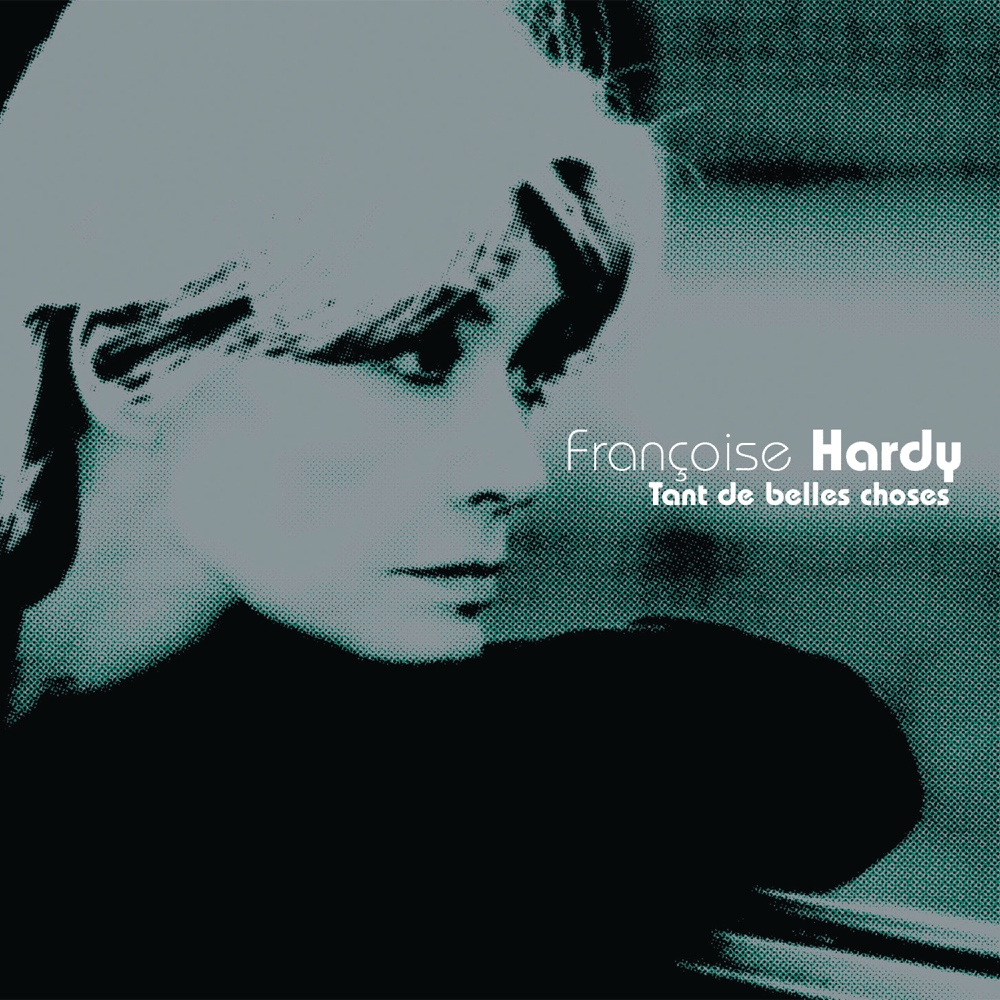
 View Artist