Song Meaning
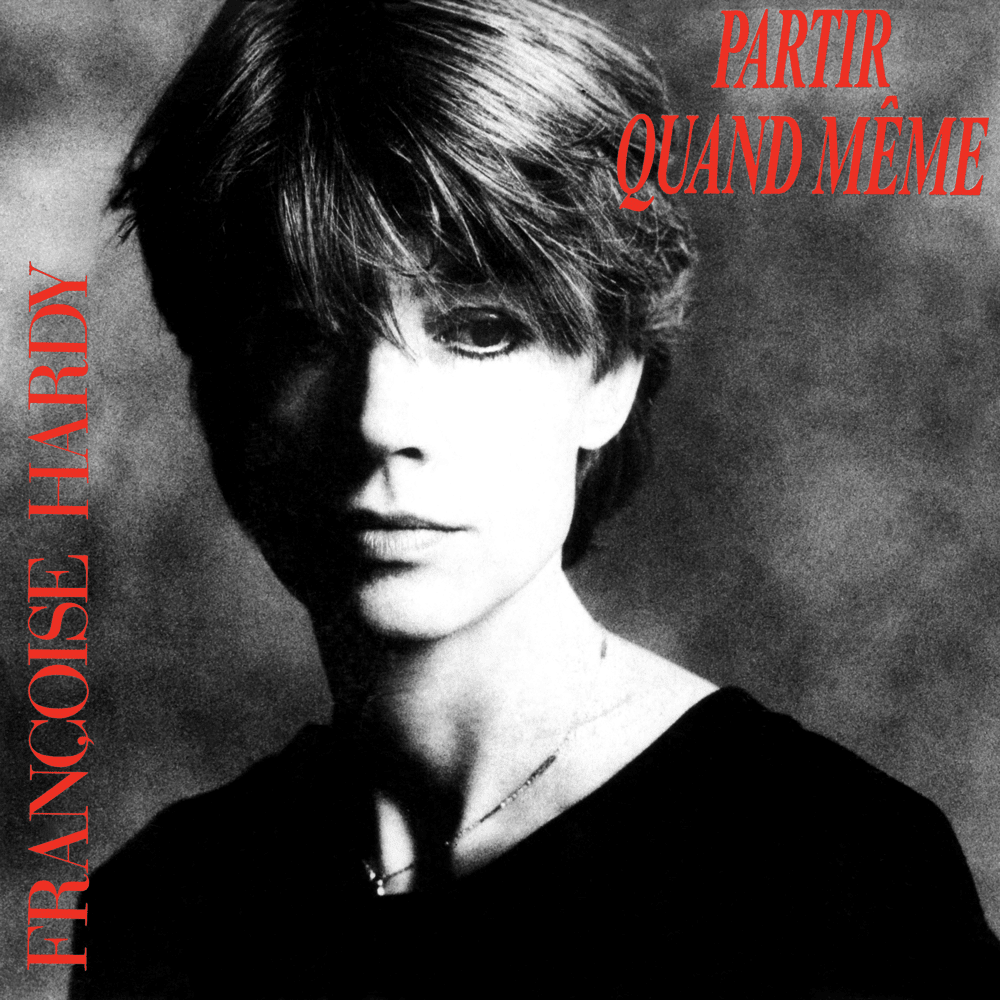
The lyrics paint a stark picture of a person choosing to leave a relationship, even though the other person is still asleep and dreaming, suggesting a quiet, unilateral departure. This act of leaving is framed as a necessary escape, a breaking of chains that bind the narrator to a fate they perceive as becoming a "dead weight" and merely "an object of decor." The repeated phrase "Partir quand même" (Leave anyway) underscores a determined, almost defiant resolve to go, regardless of the circumstances or the other person's state.
The central tension lies in the narrator's urgent need for self-preservation against the perceived threat of the relationship's deepening commitment. They aim to leave "before he wants to / Cut my wings" and "tame my pride," indicating a fear of losing their autonomy and individuality. The looming possibility of saying "I love you" is presented not as a romantic climax, but as a trap, "the trap closes," signaling the point of no return that the narrator is desperately trying to avoid by leaving first.
The most striking craft element is the strategic placement of "Avant de dire 'Je t'aime'" (Before saying 'I love you'). This phrase acts as a critical turning point, appearing in both the second and third verses. It highlights how the narrator views the expression of love as the ultimate danger, the moment when their freedom will be irrevocably lost. The repetition emphasizes that the act of leaving is a preemptive strike against a future they dread, a way to maintain control and "remain master of their games."
Ultimately, these lyrics resonate because they capture a specific, painful kind of emotional calculus. The narrator isn't leaving out of anger or a lack of feeling, but out of a profound, self-imposed necessity to protect their core identity. The act of leaving "anyway" becomes an act of self-love, a desperate bid to avoid a future where they are diminished, choosing a solitary escape over a shared future that feels like a cage.
 View Artist