Song Meaning
The narrator is issuing a definitive breakup, a resolute "Pars" (Leave). There's a stark finality to it, a weary acceptance that the relationship is beyond repair. The dominant tone is one of bitter resignation, tinged with a lingering sense of loss and perhaps a touch of self-pity. It’s not an angry outburst, but a quiet, determined severing of ties, acknowledging the shared pain and the wasted effort.
The central tension lies in the simultaneous declaration of love and the necessity of departure. The narrator states, "Puisque l'on s'aime trop" (Because we love each other too much), which is a devastating reason to part ways. This suggests a love that has become destructive, a bond so intense it causes unbearable suffering. The repeated "tant pis" (too bad, oh well) underscores the feeling of helplessness, as if the love itself has become an insurmountable obstacle.
The lyrics masterfully employ repetition to hammer home the emotional weight. The phrase "Pars et puis tant pis" acts as a refrain of surrender, while the contrasting ideas of "jour est la nuit" (day is the night) and the inability to speak without suffering highlight the toxic dynamic. The narrator’s assertion, "Jamais plus je ne pourrai / Aimer autant que ça" (Never again will I be able to / Love this much) is a poignant, almost hyperbolic statement of the love’s intensity, even as it’s being abandoned.
This song hits hard because it articulates a painful truth: sometimes the deepest connections are the ones that break us. The craft here isn't about grand metaphors, but the raw, direct language of heartbreak. The narrator isn't seeking reconciliation; they're simply stating the inevitable, acknowledging the depth of what's lost while recognizing the absolute necessity of walking away. The final "Pars sans me dire un mot" (Leave without saying a word) is the ultimate expression of this emotional exhaustion, a plea for a clean, silent break.
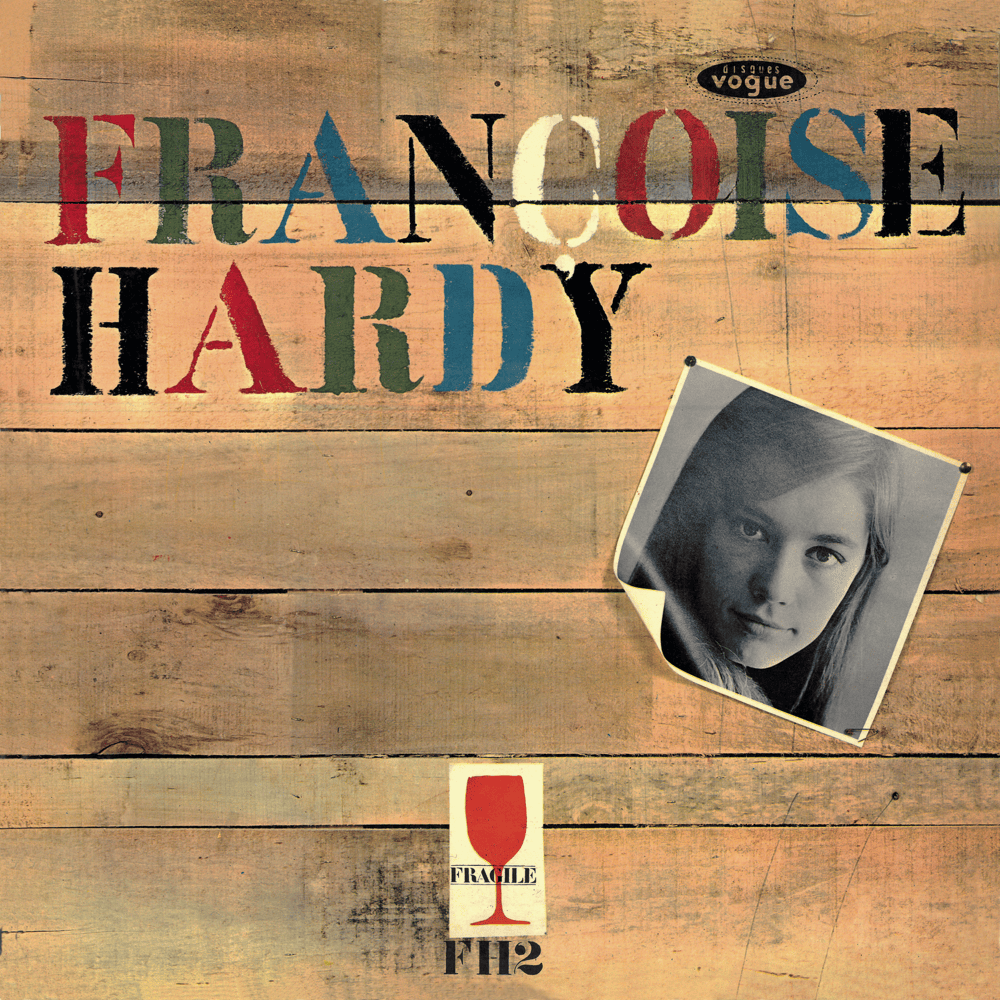
 View Artist