Song Meaning
The lyrics paint a picture of a relationship existing in a suspended present, defined by an immediate, almost defiant, enjoyment of each other's company. The narrator acknowledges the uncertainty of the future, admitting "On ne sait pas comment / Ça finira et puis combien de temps / Ça durera" – they have no idea how or for how long this will last. Yet, this lack of foresight doesn't lead to anxiety; instead, it solidifies the present moment with the simple, repeated declaration: "Que l'on se plaît." This phrase, appearing at the end of each verse, acts as both a justification and a shield against future unknowns.
The central tension lies in the contrast between the precariousness of the relationship's future and the comfort found in its present state. Questions about who will leave first or if one will cause the other pain are raised, but immediately dismissed. "Sera-ce toi ou moi / Lequel des deux qui le premier partira... Puisqu'on se plaît." The possibility of heartbreak is acknowledged – "tu me quitteras pour une fille plus jolie" – but it's framed as a hypothetical that doesn't apply "pas aujourd'hui." This deliberate focus on the immediate pleasure, the "on se plaît," serves to push away the potential for future sorrow.
The most striking aspect of the writing is the persistent, almost mantra-like repetition of "On se plaît." This phrase isn't just a statement of mutual liking; it becomes the entire foundation of their connection, the sole reason they continue. It’s a powerful anchor in the face of ambiguity, suggesting that for now, the simple act of enjoying each other's presence is enough to sustain them, even overriding the potential for "le grand amour" or the fear of "chagrin."
Ultimately, these lyrics resonate because they capture a very specific, relatable human impulse: to savor the good feelings of the present, even when the future is murky. The writing’s effectiveness comes from its directness and its refusal to overcomplicate the emotional landscape. It’s not about grand declarations or future plans, but about the simple, potent truth that sometimes, "on se plaît" is the only answer needed.
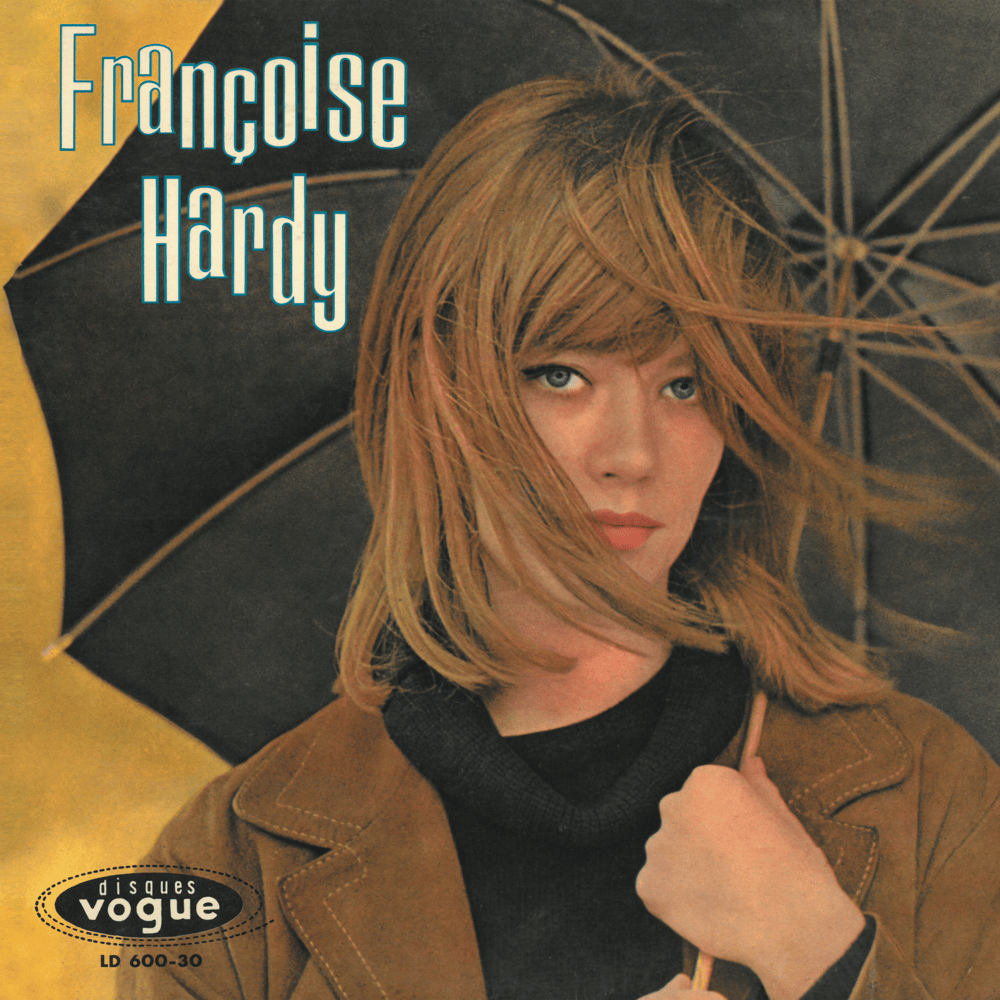
 View Artist