Song Meaning
The lyrics paint a picture of simple, fleeting moments that define the beginning and end of a day, framed by the presence or absence of a loved one. The initial joy is found in gentle, natural imagery: a ribbon of sun on a hand, a sea breeze, a singing bird. These are sensory details that evoke a peaceful, almost idyllic morning, suggesting a state of contentment tied to these small, beautiful occurrences. The focus is on the immediate, tangible sensations that bring a sense of well-being.
This serene opening is sharply contrasted by the introduction of the day's first sorrow. This sadness is marked by abrupt, definitive actions: a closing door, a departing car, a settling silence. These images convey a sense of separation and emptiness, a sudden shift from warmth and connection to isolation. The contrast highlights how fragile this initial happiness appears, easily shattered by departure or a lack of presence.
The turning point arrives with the simple declaration, "Mais bien vite tu reviens" (But soon you return). This return immediately restores the narrator's sense of normalcy and purpose, "Et ma vie reprend son cours" (And my life resumes its course). The lyrics suggest that the narrator's emotional equilibrium is deeply dependent on this other person's presence, making their return the ultimate resolution to the day's brief sorrow. The final line, "Le dernier bonheur du jour / C'est la lampe qui s'éteint" (The last happiness of the day / Is the lamp going out), brings the focus back to a quiet, shared intimacy, a contented end to the day in the company of this person, mirroring the gentle beginning.
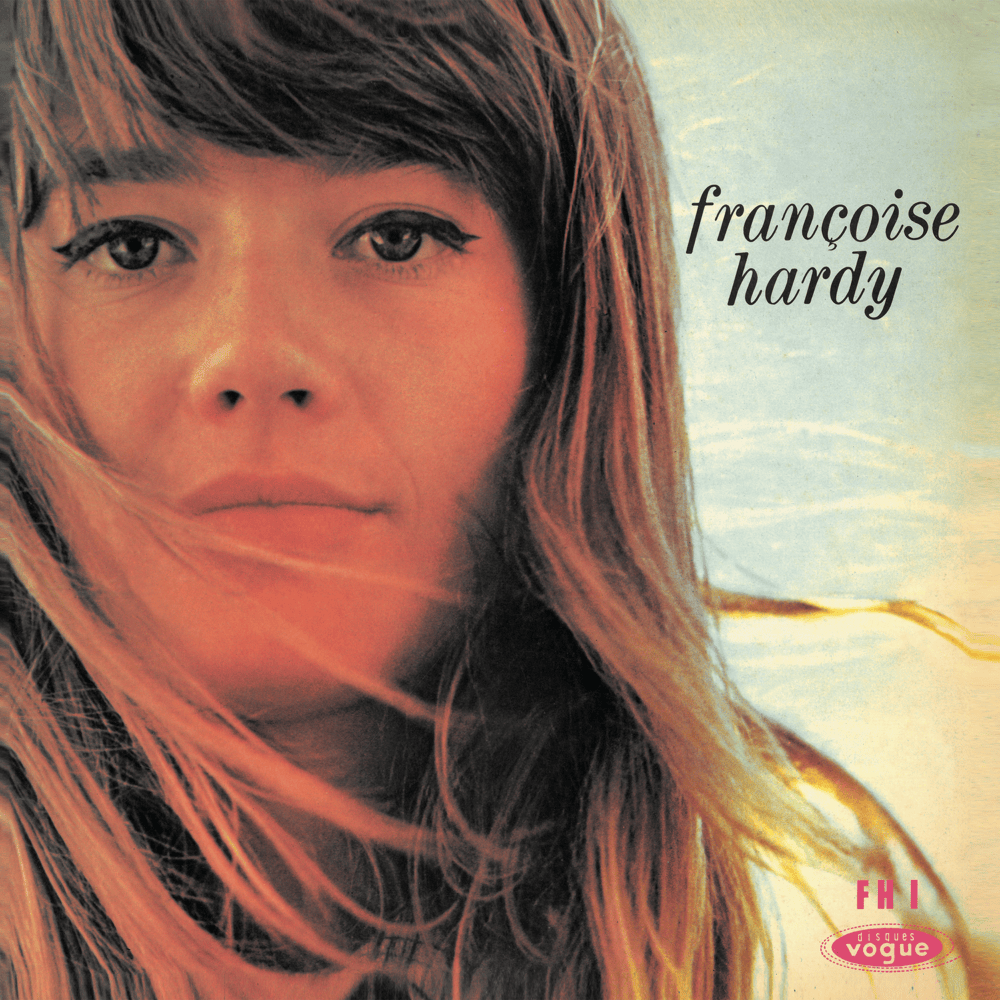
 View Artist