Song Meaning
The lyrics paint a picture of a relationship marked by emotional distance and unpredictability. The subject of the song is present but unresponsive, creating a sense of unease. Their gaze is fixed, yet their thoughts remain inscrutable, leaving the narrator questioning if they are even considered. This creates a feeling of being on the outside, looking in at someone who is physically near but mentally elsewhere.
This disconnect fuels the central tension: the narrator's deep emotional investment versus the other person's apparent detachment. The sudden departures, described as vanishing "ni vu ni connu" (without anyone seeing or knowing), highlight this unreliability. The narrator is left to "souffrir" (suffer), trapped in a cycle where even a fleeting return or a single smile can ensnare them again, suggesting a powerful, almost inescapable hold.
The recurring phrase "il voyage" (he travels) serves as the core metaphor for this emotional absence. It suggests the person is not just physically absent but mentally and emotionally on a different plane, perhaps in their own world of dreams or thoughts, unburdened by the narrator's needs. This journey is solitary, as indicated by "il n'a pas besoin de vous" (he doesn't need you), emphasizing the one-sided nature of the connection.
The effectiveness of these lyrics lies in their stark portrayal of emotional abandonment within a seemingly intimate context. The contrast between the narrator's vulnerability – their "cœur contre son cœur" (heart against his heart) and their world collapsing "Autour du soleil qui s'éteint" (around the dying sun) – and the other person's ethereal, unconcerned "voyage" is what makes the pain so palpable. The repeated questioning, "A-t-il seul'ment besoin de vous?" (Does he even need you?), underscores the narrator's desperate search for validation in the face of overwhelming indifference.
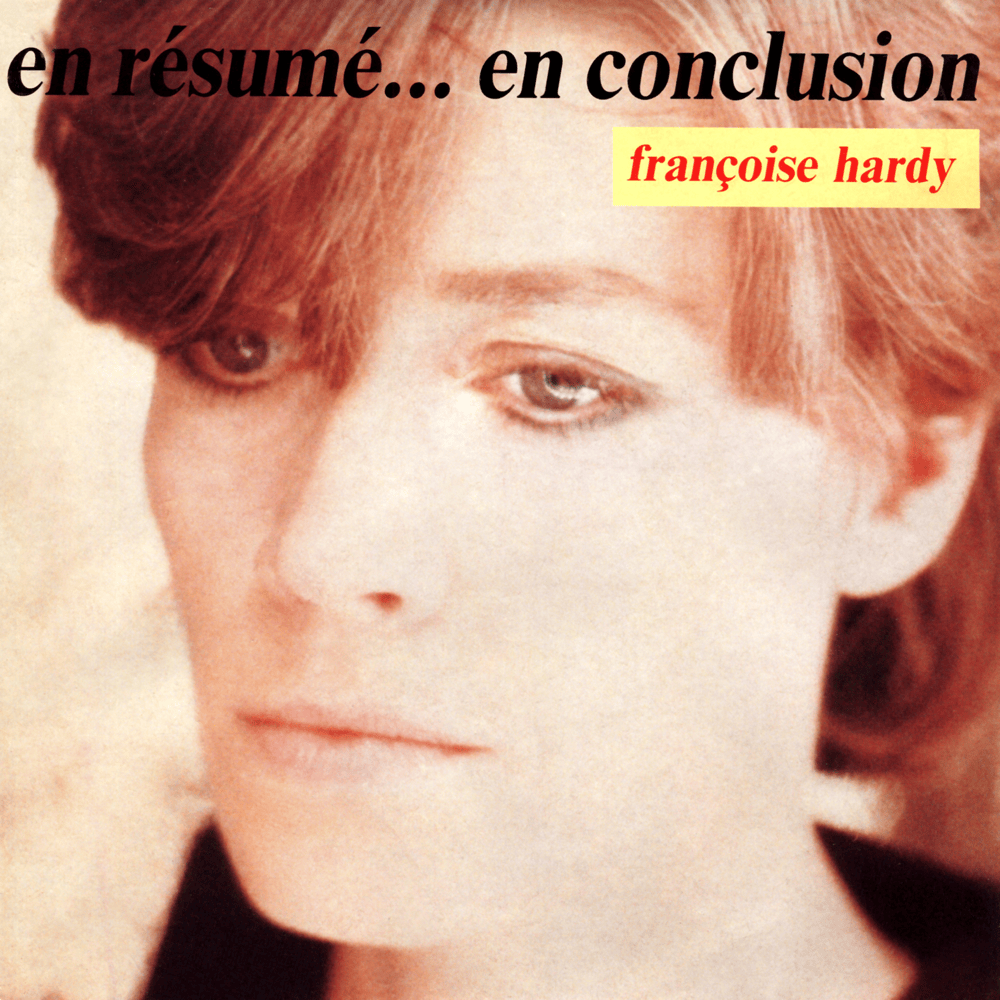
 View Artist