Song Meaning
The lyrics paint a stark picture of a relationship's abrupt end, leaving one person bewildered and clinging to a past that now feels unreal. The narrator is confronted with a partner's departure, a stark contrast to their own continued affection. This immediate disconnect between the reality of walking away and the narrator's persistent love creates a palpable sense of shock and disbelief, framing the entire situation as a disorienting dream.
The central tension lies in the futile attempt to reconcile the present reality with a cherished past. The narrator's repeated questions, "What can I say?" and "What can I do?", highlight their powerlessness as their partner definitively moves on. This helplessness is amplified by the partner's declaration that they are "through / With how it was," a phrase that severs the connection to their shared history. The narrator's inability to comprehend this shift, asking "I don't see why / He says what he does," underscores the emotional chasm.
The recurring question, "How can we hang on to a dream?" serves as the lyrical anchor, directly addressing the core conflict. It's not just about holding onto a memory, but questioning the very nature of reality when it diverges so sharply from perception. The repetition of "It's all a dream" in the verses, juxtaposed with the chorus's desperate plea, emphasizes this disassociation. The lyrics suggest that the dream isn't just the past relationship, but the current, painful reality that feels impossible to accept.
This emotional resonance is achieved through the simple, direct language and the cyclical structure. The repetition of key phrases and questions mirrors the narrator's own looping thoughts and inability to move past the initial shock. The stark contrast between the partner's decisive actions and the narrator's lingering feelings creates a profound sense of loss and confusion, making the plea to "hang on to a dream" feel both heartbreakingly earnest and tragically impossible.
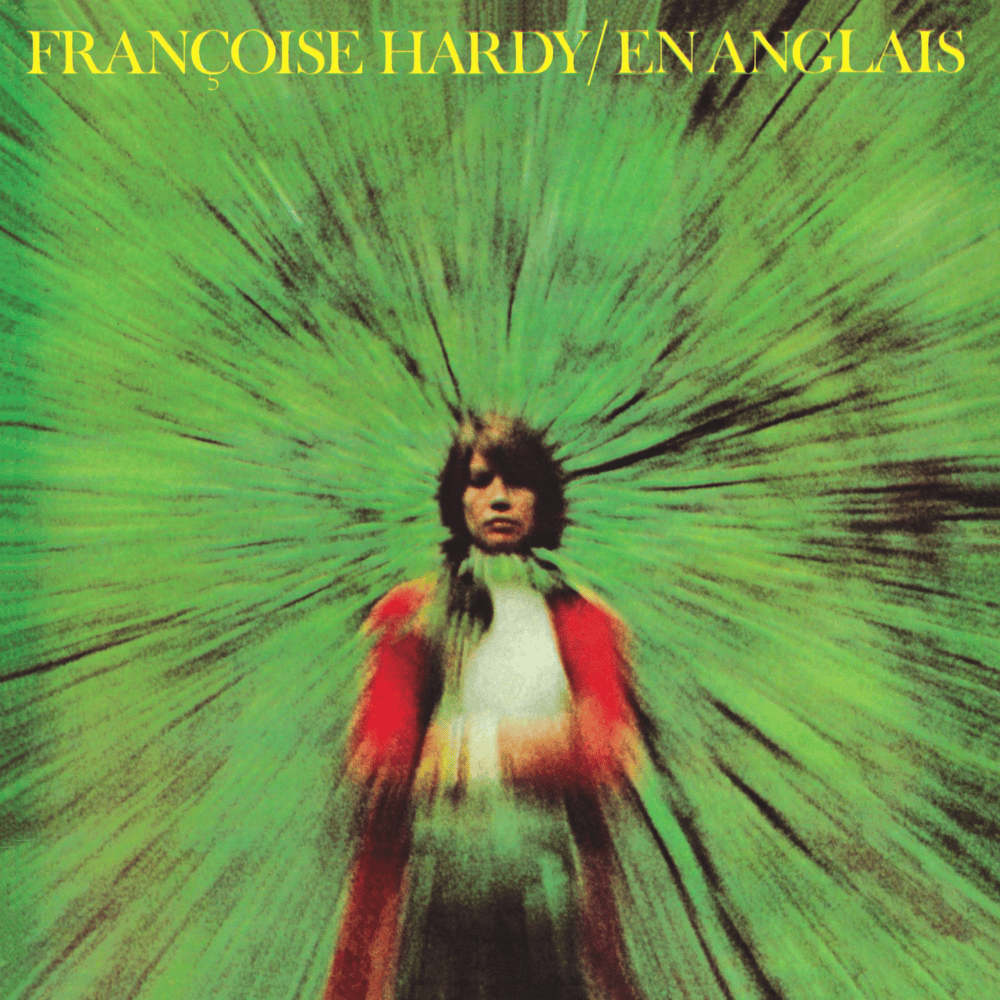
 View Artist