Song Meaning
The narrator recounts a history of struggle and rejection, marked by efforts to overcome obstacles. Phrases like "lâché tant de lest" (let go of so much ballast) and "essuyé tant de refus" (endured so many rejections) paint a picture of someone who has carried heavy burdens and faced constant setbacks. Despite these difficulties, there's a persistent refusal to surrender, a hope to "marquer encore / Quelques buts" (score a few more goals), suggesting a desire for future success or validation. The repeated question, "Dites-moi où le bât blesse / Si vous l'avez jamais su..." (Tell me where the shoe pinches / If you ever knew...), reveals a deep-seated frustration and a yearning for understanding from an external perspective.
The central tension lies in the narrator's relentless pursuit against overwhelming odds. The imagery of "bunkers-forteresses" (bunker-fortresses) rising "à perte de vue" (as far as the eye can see) and "signaux de détresse" (distress signals) going unheard emphasizes a feeling of isolation and futility. Yet, even when acknowledging the possibility of defeat – "Même si la cause est perdue" (Even if the cause is lost) – the narrator asserts a capacity to have "Survécu" (survived). This resilience, however, is juxtaposed with a growing weariness and uncertainty, as indicated by the admission, "Je ne tiens plus bien debout..." (I can no longer stand up straight).
The recurring refrain, "Côté jardin, côté cour" (Backstage, front stage), acts as a powerful metaphor for the duality of public and private life, or perhaps the contrast between effort and outcome. It frames the constant race against time, "C'est toujours le temps qui court / Et moi qui cours après vous..." (It's always time running / And me running after you...). This phrase highlights a persistent feeling of being outpaced and misunderstood, questioning if the other party has "percée à jour" (seen through) their facade. The shift from a determined stance to profound doubt – "Faire semblant d'être fort ? / Je ne sais plus..." (Pretend to be strong? / I don't know anymore...) – underscores the emotional toll of this ongoing struggle.
Ultimately, the lyrics resonate because they capture the exhausting, often unseen, effort required to navigate life's challenges. The contrast between the internal fight and the external perception, encapsulated by "côté jardin, côté cour," creates a poignant sense of vulnerability. The narrator's plea, "Seriez-vous aveugle et sourd" (Would you be blind and deaf), expresses a desperate need for connection and recognition in the face of perceived indifference, making the eventual softening of the evening air feel like a small, perhaps melancholic, solace.
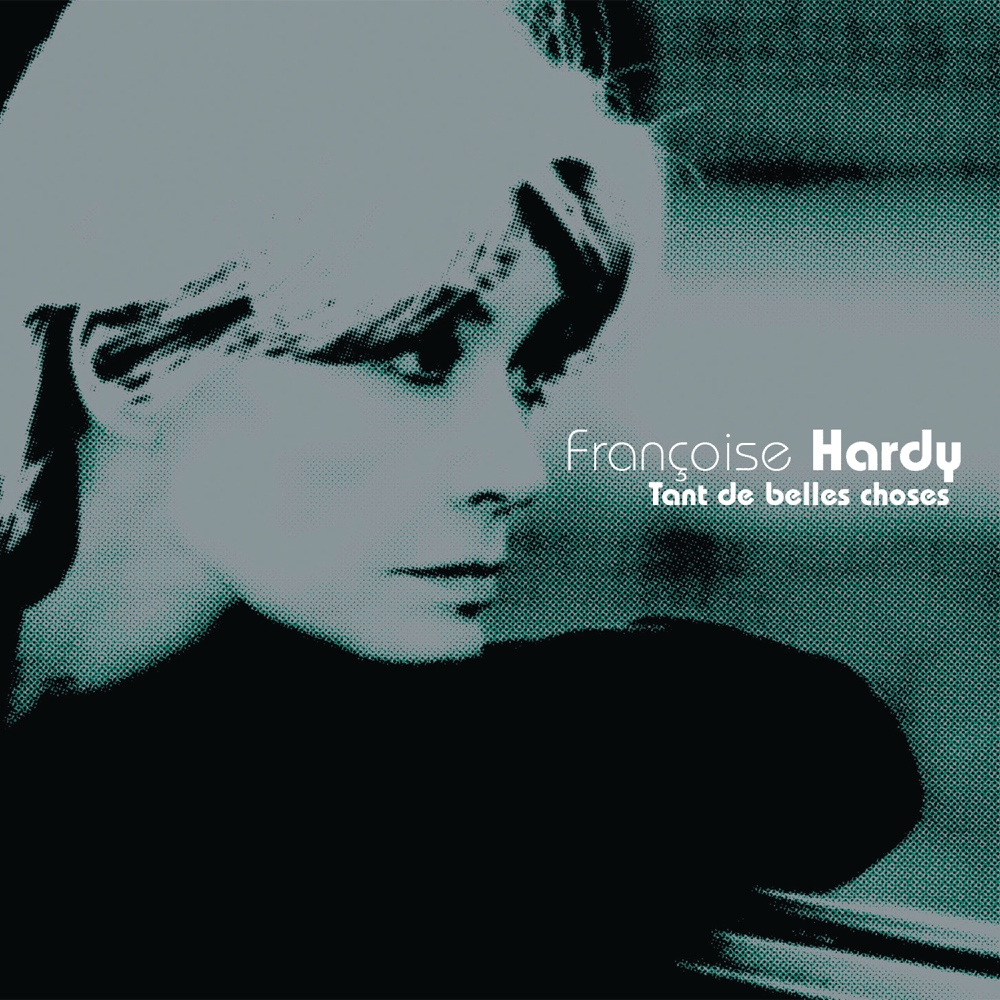
 View Artist