Song Meaning
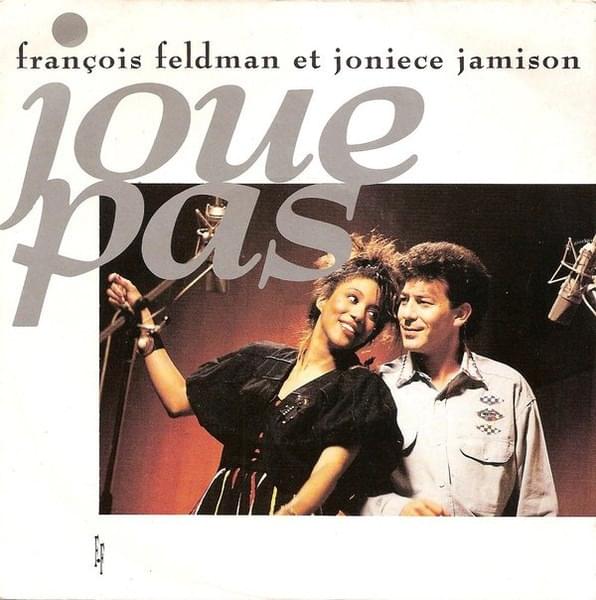
This track opens with a back-and-forth, a playful negotiation of control. One voice (FF) can make the other (JJ) dance, spin, and even decide where they should go, while JJ can make FF sing, shout, and dream. It paints a picture of a relationship where each person has a profound influence on the other's actions and emotions, suggesting a deep, almost malleable connection.
The core tension arrives with the refrain: "Mais joue pas, pas avec moi / Car l'amour ça plaisante pas." Despite the earlier depiction of playful influence, there's a clear boundary being drawn. The narrator(s) are warning against treating this connection lightly, emphasizing that love isn't a game and the consequences of such play are unknown and potentially serious. This contrast between the initial ease of manipulation and the later warning creates a powerful emotional undercurrent.
The lyrics use vivid imagery of artistic creation to describe this influence. FF can be "drawn, sculpted / Like modeling clay," and "colored, tattooed / With the colors of summer." This suggests a deep level of personal transformation and imprint that one person can have on the other. It's not just about actions; it's about fundamental shaping and branding, which makes the refrain's warning about not playing with love even more potent.
Ultimately, the effectiveness lies in this juxtaposition. The initial verses build a sense of effortless, almost magical connection, making the listener feel the ease of being swayed. Then, the abrupt shift to the refrain hits hard, revealing that this deep influence carries significant weight. The repeated lines, "Tu sais tu sais jamais / Jusqu'où ça ira... de jouer avec moi," underscore the unpredictable and potentially overwhelming stakes involved when love is treated carelessly.
 View Artist