Song Meaning
The lyrics paint a vivid picture of a clandestine love affair, where the narrator is intimately familiar with the other person's dual existence. The repeated phrase "Mi parla di te" (He talks about you) immediately establishes a third party, a partner who is oblivious to the true depth of the relationship. This external voice, presumably the lover's partner, fails to grasp the intensity and transformative nature of the connection they share, especially when the lover is with the narrator. The narrator observes that this unawareness is profound: "Non ha capito ancora niente di noi" (He still hasn't understood anything about us).
The central tension lies in the stark contrast between the lover's life with their partner and their existence with the narrator. The partner's perspective, as relayed by "him," suggests the lover cannot survive without him, claiming they've found nothing significant before or after him. This external narrative is directly contradicted by the narrator's experience, where moments are described as "istante dopo istante" (instant after instant) of rediscovery and reinvention. The narrator experiences a profound rebirth and shedding of inhibitions: "Dei rimorsi ci spogliamo / E voliamo in alto" (We shed our regrets / And fly high).
The most striking aspect is the cyclical nature of their passion, described as a constant process of becoming: "Ci scopriamo, noi ci inventiamo" (We discover ourselves, we invent ourselves). This ongoing creation of their bond, marked by "mani complici" (complicit hands), suggests a love that is dynamic and perhaps even forbidden, existing in stolen moments. The narrator grapples with the overwhelming nature of this love, questioning their ability to contain such a powerful emotion: "non so se ancora potrò / Tenеrmi dentro questo benе così grande" (I don't know if I can still / Hold this great good inside).
This intense, self-creating love, existing in opposition to an uncomprehending external world, is what makes these lyrics resonate. The narrator's internal struggle to contain the magnitude of their feelings, juxtaposed with the lover's seemingly dependent external life, highlights a passionate, all-consuming connection that defies simple definition. The constant repetition of "Mi parla di te" underscores the inescapable presence of this other life, making the narrator's own profound experience feel both precious and precarious.
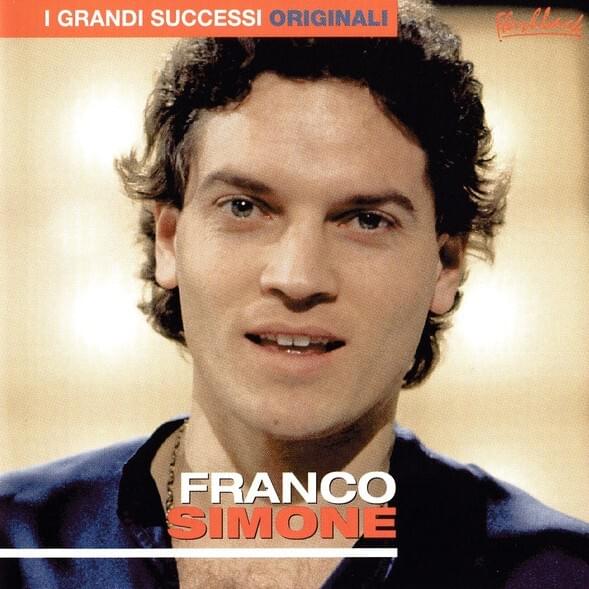
 View Artist