Song Meaning
The narrator is extending a heartfelt invitation, a plea for someone to come and occupy a space within their life. This presence is framed as crucial for the narrator's own sense of self-worth and purpose, stating, "Che per me è importante / Aspettavo te / Per sentrirmi grande." It's a profound need for validation and a desire to avoid feeling "inutilmente" – wasted or without significance. The invitation is to a "cuore vuoto," a heart that has previously remained uninhabited by the recipient, suggesting a long-held anticipation.
The core tension lies in the contrast between the narrator's intense need and the recipient's apparent absence or hesitation. The narrator assures the recipient that their desire is "non è sbagliato" (not wrong) and invites them to "entra quando / Vuoi nel mio cuore vuoto." This implies a vulnerability, a willingness to open up completely, yet also a subtle pressure born from the narrator's own deep-seated longing. The repeated phrase "Vieni a stare qui" acts as a constant pull, a gentle but persistent beckoning.
The lyrics paint a vivid picture of what this shared life could entail, moving beyond mere companionship to a sense of mutual growth and becoming each other's "riferimento" (reference point). The imagery of an "alba che per me / nasce in fondo al mondo / sulle ceneri di un tramonto" is particularly striking, suggesting a profound renewal and a new beginning that eclipses past endings. This isn't just about filling a void; it's about creating something entirely new and vital, a daily discovery of "Quello che hai cercato sempre."
Ultimately, the effectiveness of these lyrics stems from their raw emotional honesty and the clear articulation of need. The narrator’s vulnerability is palpable, making the invitation feel both deeply personal and universally understood. The promise of shared growth and becoming each other's anchor creates a powerful emotional resonance, driven by the simple, repeated plea: "Vieni a stare qui."
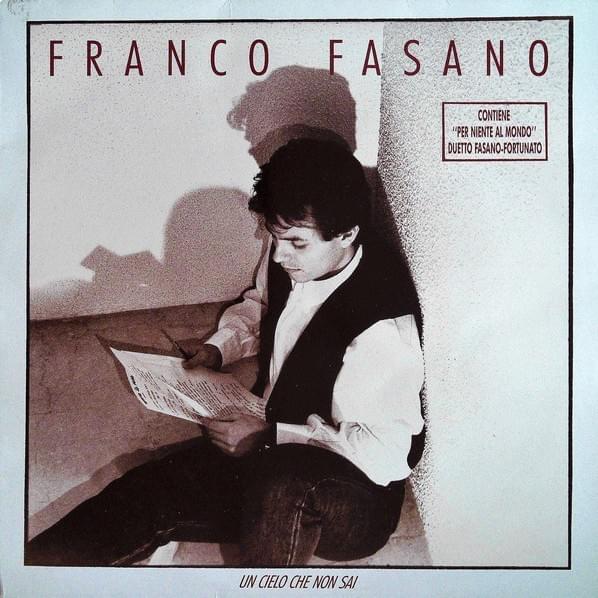
 View Artist