Song Meaning
This intro immediately establishes a sense of grand arrival and established power. The speaker announces the return of a group, emphasizing their decade-long success and the empire they've built. It’s a declaration of dominance, positioning them not just as artists, but as significant figures in their domain. The tone is boastful and celebratory, aiming to hype up the audience for what's to come.
The lyrics highlight a collective of individuals, each given a distinct, powerful moniker. We hear about "el dúo de la historia," "Tony Dize, potencial inalcanzable," "Franco El Gorila, una máquina de destrucción lirical," and "El General Gadiel." This naming convention serves to build a mythology around the group, portraying them as formidable and uniquely talented. It’s a strategic move to instill awe and anticipation, framing them as legendary figures.
The craft here is in the sheer force of the introductions and the titles bestowed. Phrases like "imperio," "dúo dinámico," "máquina de destrucción lirical," and "líderes" are potent descriptors designed for maximum impact. The repetition of "llegaron" (they arrived) reinforces the idea of a significant event unfolding. The direct address to the audience, "Damas y caballeros," further elevates the presentation, treating this moment as a formal unveiling of greatness.
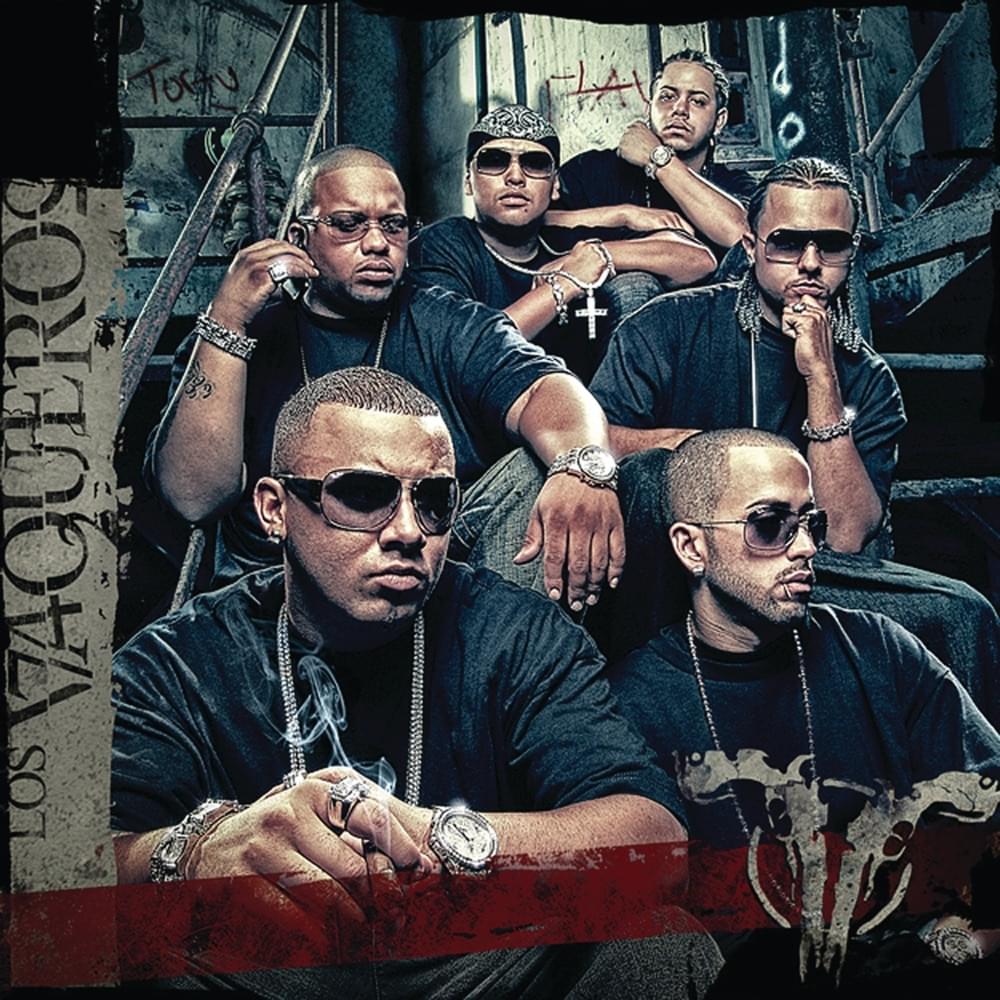
This intro effectively works by creating an aura of invincibility and historical significance around "Los Vaqueros." It’s not just about introducing artists; it’s about presenting them as an established force that commands respect and attention. The confidence and self-aggrandizement are palpable, setting a high bar for the music that follows and aiming to cement their legendary status in the listener's mind.
 View Artist