Song Meaning
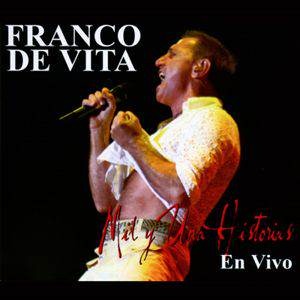
Franco De Vita's live rendition of "Somos Tres" isn't just a ballad; it's a masterclass in dramatic irony and emotional negotiation. The song opens with a classic scene of romantic distress: a woman, soaked and distraught, announces "Todo terminó." The initial verses paint a picture of a man attempting to soothe his partner, offering coffee and a calm demeanor. His earnest questions – "Qué fue lo que pasó?" and "Es que acaso no crees en mi amor?" – establish a narrative of confusion and wounded pride. He positions himself as the steadfast lover, willing to follow her anywhere, blind to the impending revelation. This contrast between his perception and the reality she's about to unveil is what gives the song its initial punch.
The pivotal line, "somos tres," delivered with deliberate pauses, completely reframes the context. The "intruso" he suspects isn't another lover, but a child. Suddenly, the stakes are far higher, and the emotional landscape shifts from infidelity to responsibility and the future. Her question of whether he truly wants this changes the balance of power. It's no longer about his wounded ego but about their shared destiny as parents. She hands him a choice: embrace this new reality or walk away. This moment encapsulates the song's core: the unexpected intrusion of life's complexities into a seemingly stable relationship.
The repeated chorus, now altered to "Bienvenido sea un tercero / Entre los dos," underscores a profound acceptance and a willingness to adapt. The offer to make her his wife and the continued promise to follow her anywhere take on a deeper resonance. It's not just romantic devotion anymore; it's a commitment to family, a recognition of the life they're creating together. "Somos Tres" isn't merely a song about unexpected pregnancy; it's a nuanced exploration of love's capacity to evolve and embrace the unforeseen, transforming potential heartbreak into a declaration of enduring commitment.
 View Artist